



Have you ever considered diving into the world of logistics? If so, starting a truck dispatcher business could be your golden ticket. This industry is booming as the demand for reliable freight transport continues to soar. But what exactly does a truck dispatcher do? Picture yourself coordinating shipments, managing routes, and ensuring that goods are delivered on time—all while building strong relationships with clients and drivers.
- Understanding the Truck Dispatcher Business
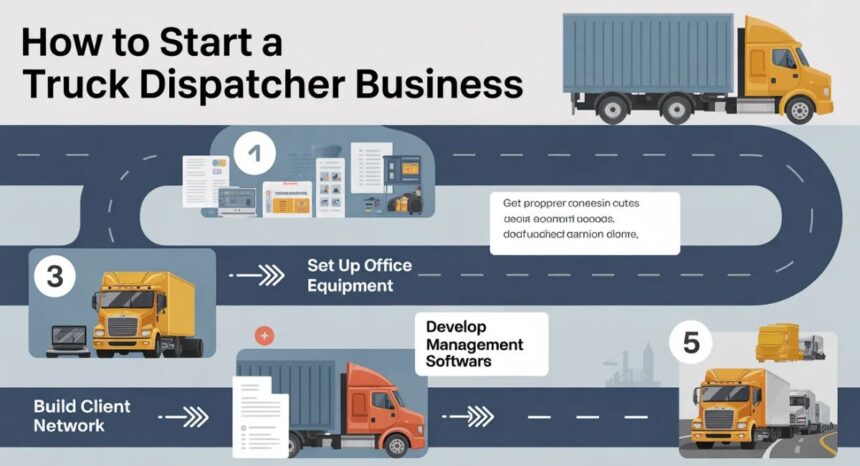
- Steps to Starting a Truck Dispatcher Business
- Research and Planning
- Obtaining Necessary Licenses and Permits
- Finding Clients and Building Relationships
- Setting Up an Efficient Dispatch System
- Managing Finances and Operations
- Overcoming Challenges in the Industry
- Tips for Success in the Truck Dispatcher Business
- Conclusion
It might sound overwhelming at first, but with the right guidance and strategy, you can carve out a niche in this fast-paced field. Whether you’re looking to work independently or build a team, there’s plenty of opportunity waiting for you. Let’s explore how to get started on this rewarding journey toward becoming a successful truck dispatcher!
Understanding the Truck Dispatcher Business
The truck dispatcher business plays a vital role in the logistics and transportation industry. Dispatchers act as the bridge between freight carriers and shippers, ensuring that goods move smoothly from point A to point B.
A dispatcher’s responsibilities include scheduling shipments, tracking deliveries, and solving unexpected issues on the road. They must possess strong communication skills to maintain relationships with drivers and clients alike.
Understanding market trends is key. The trucking industry experiences fluctuations based on demand, regulations, and fuel prices. Staying informed about these factors can give you an edge over competitors.
Technology also plays a significant role. Many dispatchers now rely on software solutions for route optimization and real-time tracking. Familiarity with these tools will enhance your efficiency in managing operations.
Grasping the nuances of this business sets the foundation for success in building your own trucking dispatch operation.
Steps to Starting a Truck Dispatcher Business
Starting a truck dispatcher business requires careful planning and execution. Begin by defining your niche within the industry. Decide whether you want to focus on local, regional, or long-haul trucking.
Next, develop a solid business plan. Outline your services, target audience, and pricing structure. This document will serve as your roadmap.
Secure funding to cover initial costs such as equipment and marketing expenses. Consider options like personal savings or small business loans.
Once financing is in place, choose an appropriate legal structure for your business—sole proprietorship or LLC could be suitable options based on liability considerations.
Afterward, build a network of reliable carriers and shippers. Start reaching out through online platforms or industry associations to establish connections that will prove invaluable later on.
Research and Planning
Research is the backbone of any successful business, and a truck dispatcher venture is no different. Start by exploring industry trends and understanding market demands. Look into the types of freight that are in high demand.
Gather information about your competitors. Analyze their strengths and weaknesses to determine how you can carve out your niche. Next, create a solid business plan outlining your goals, services, pricing structure, and target clientele. This document will serve as a roadmap for your operations.
Take time to understand legal requirements specific to dispatching services in your region. Knowing these regulations can save you from potential headaches down the line.
Consider technology solutions that can streamline operations. Research software options designed for dispatchers; they often offer features like load tracking and client management tools which can enhance efficiency significantly.
Obtaining Necessary Licenses and Permits
Starting a truck dispatcher business requires understanding regulatory requirements. Licenses and permits can vary by state, so it’s essential to research local regulations.
Begin with obtaining a freight broker license if you plan to arrange transportation for carriers. This is crucial for compliance in the logistics industry.
Additionally, consider registering your business structure—be it an LLC, corporation, or sole proprietorship. This helps protect your personal assets while establishing credibility.
You may also need a tax ID number from the IRS for tax purposes. It’s wise to consult with an accountant who specializes in transportation businesses.
Networking with industry professionals can provide insights into specific licensing needs that may apply uniquely to your operation. Ensure you’re fully compliant before beginning operations, as this lays the groundwork for success in your new venture.
Finding Clients and Building Relationships
Finding clients is one of the most vital aspects of running a successful truck dispatcher business. Start by tapping into your personal and professional networks. Attend industry conferences, trade shows, or local events to meet potential clients face-to-face.
In addition to networking, leverage online platforms like LinkedIn. Create a strong profile that showcases your expertise in logistics and dispatching. Engage with posts relevant to the trucking industry; this can help you connect with decision-makers.
Don’t underestimate the power of referrals. Satisfied clients are often willing to recommend your services if they see value in what you provide. Build relationships through consistent communication and follow-ups; it shows you’re dedicated.
Consider offering introductory discounts or trial periods for new clients. This approach lowers their risk while allowing you to demonstrate your efficiency and reliability as a dispatcher.
Setting Up an Efficient Dispatch System
Setting up an efficient dispatch system is crucial for your truck dispatcher business. It’s the backbone of operations and directly impacts customer satisfaction.
Start by choosing the right software. Invest in a platform that tracks shipments, manages routes, and provides real-time updates. This will streamline communication with drivers and clients alike.
Next, create clear protocols for handling loads. Establish guidelines on load assignment, communication frequency with drivers, and issue resolution processes. Consistency reduces confusion.
Don’t overlook training your team if you have one. Properly trained dispatchers can navigate challenges swiftly while maintaining service standards.
Regularly review your system’s performance metrics. Look at delivery times and client feedback to identify areas needing improvement or adjustment.
An efficient dispatch system not only enhances productivity but also builds trust with clients—essential for growth in this competitive market.
Managing Finances and Operations
Managing finances and operations is crucial for a successful truck dispatcher business. Start by creating a detailed budget. Track all income and expenses diligently to maintain profitability.
Invest in accounting software designed for small businesses. This will simplify invoicing, expense tracking, and financial reporting. Consider hiring an accountant or bookkeeper if your numbers become overwhelming. They can provide expert guidance on tax obligations and financial planning.
Streamline operations by using dispatch management software. This technology helps with scheduling loads, managing drivers, and optimizing routes efficiently.
Regularly evaluate your processes to identify areas of improvement. Small adjustments can lead to significant gains over time.
Don’t forget about insurance coverage tailored for trucking companies. It protects you against potential liabilities that could arise during daily operations.
Overcoming Challenges in the Industry
The trucking industry is dynamic, presenting several challenges for dispatchers. One major hurdle is dealing with fluctuating fuel prices. These can significantly affect profit margins and require constant adjustments.
Regulatory changes also pose a challenge. Compliance with local, state, and federal regulations demands vigilance and adaptability. Staying updated on these laws ensures smooth operations.
Technology plays its own role in the mix. As systems evolve rapidly, keeping up with new software tools can be daunting but essential for efficiency.
Additionally, managing communication among drivers, shippers, and clients requires strong organizational skills. Miscommunication can lead to costly delays or misunderstandings.
Building trust within relationships takes time and effort; it’s crucial to foster open lines of communication to navigate conflicts when they arise effectively. Each obstacle presents an opportunity for growth and improvement in your dispatching business strategy.
Tips for Success in the Truck Dispatcher Business
Communication is key. Establish strong relationships with drivers and clients. Regular check-ins can help build trust and ensure everyone is on the same page.
Stay organized. Use digital tools to manage loads, routes, and schedules efficiently. A well-structured system minimizes errors and enhances productivity.
Keep learning. The trucking industry evolves constantly, from regulations to technology advancements. Attend workshops or join online forums to stay informed about trends that could impact your business.
Be proactive in problem-solving. Delays and hiccups happen; how you handle them sets you apart from competitors. Quick thinking can save time and maintain customer satisfaction.
Prioritize customer service. Going above and beyond for clients fosters loyalty, encouraging repeat business and positive referrals that drive growth over time.
Conclusion
Starting a truck dispatcher business can be an exciting venture for those interested in the logistics and transportation industry. By understanding the nuances of this field, you position yourself to guide drivers effectively while collaborating with trucking companies.
The steps to starting such a business require dedication and strategic planning. Researching your market helps create a solid foundation, allowing you to identify potential clients and their needs. Securing necessary licenses ensures that you operate within legal boundaries, which is crucial for building credibility.
Establishing relationships with clients is vital. A strong network will enhance your opportunities and help foster lasting partnerships. As technology plays a significant role in dispatch operations, setting up an efficient system will streamline processes and improve communication with drivers.
Managing finances diligently cannot be overlooked either; it’s essential for sustaining growth in any business sector. Be prepared to face challenges along the way—market fluctuations or regulatory changes may test your resilience.
With perseverance, adaptability, and ongoing education about industry trends, success in the truck dispatcher realm is achievable. Embrace each step as part of your journey towards establishing a reputable business that fulfills both client needs and supports drivers on their journeys across highways nationwide.