




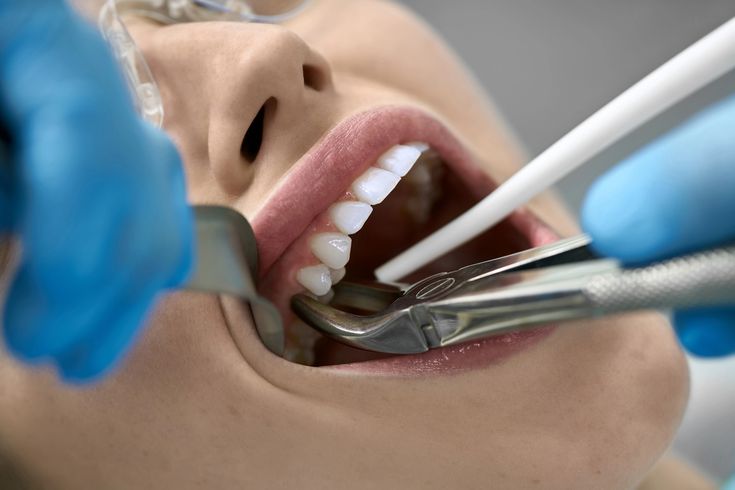
Getting your wisdom teeth removed can feel like an uphill battle. The anticipation of pain, swelling, and that dreaded recovery period often looms large. As you navigate through the healing process, it’s only natural to crave your favorite comfort drinks—coffee included. But before you rush to brew a cup, let’s take a closer look at what drinking coffee after wisdom teeth removal really means for your body and recovery journey. Is it worth the risk? Or should you consider some alternatives while you heal? Let’s dive in!
Understanding Wisdom Teeth Removal
Wisdom teeth removal is a common dental procedure often recommended for those in their late teens or early twenties. These third molars can lead to various issues, including overcrowding, infection, and misalignment of other teeth.
The surgery typically involves the extraction of one or more wisdom teeth under local anesthesia. For some patients, sedation may be used to ease anxiety during the process. Recovery times vary from person to person but usually range from a few days to about a week.
After the procedure, patients may experience swelling and discomfort as their bodies heal. It’s essential to follow post-operative care instructions closely for optimal recovery. This includes managing pain effectively and avoiding certain foods and beverages—like coffee—that could complicate healing processes or irritate surgical sites. Understanding what’s involved helps set realistic expectations for your recovery journey ahead.
Why Coffee May Not Be Recommended After Surgery
After wisdom teeth removal, your body is in recovery mode. Coffee, while comforting to many, can interfere with this process. Caffeine may lead to dehydration. After surgery, staying hydrated is crucial for healing and reducing swelling. A steaming cup of coffee might not provide the hydration you need.
Additionally, caffeine can increase blood pressure and heart rate. Post-surgery, it’s essential to keep these levels stable as your body works on healing itself.
Some people experience heightened anxiety or agitation after consuming caffeine. This can complicate recovery by increasing discomfort during a time when relaxation is vital.
Hot beverages could irritate sensitive gum tissue that has just undergone surgery. Keeping cool and gentle on the mouth helps promote better healing conditions without unnecessary stressors like heat or acidity from coffee.
The Dangers of Drinking Coffee Post-Extraction
Drinking coffee after wisdom teeth removal can pose several risks to your recovery. The heat from hot beverages can irritate the surgical site, leading to increased pain and discomfort.
Moreover, caffeine acts as a blood thinner, which could heighten the chances of excessive bleeding during the healing process. This is particularly concerning in the first few days following surgery when your body is working hard to form clots.
Coffee’s acidity may also upset your stomach if you’re on prescribed medications for pain management. An unsettled stomach isn’t ideal when you’re trying to focus on healing.
Additionally, consuming coffee might hinder proper hydration—something crucial for recovery. Staying hydrated aids in reducing swelling and promotes faster healing, making it essential to prioritize clear fluids instead of caffeinated ones post-extraction.
Alternatives to Coffee for a Speedy Recovery
If you’re looking for alternatives to coffee after wisdom teeth removal, there are plenty of options that can provide a boost without the risks. Herbal teas can be soothing and gentle on your mouth while still offering flavor. Ginger or peppermint tea is particularly refreshing.
Smoothies can also be a delightful choice. Blend up some fruits and even add spinach for extra nutrients. The cold texture can feel nice against any swelling too.
Another option is decaffeinated beverages. They allow you to enjoy the ritual of sipping something warm without the caffeine hit. Don’t forget about hydration! Water infused with lemon or cucumber adds zest and helps keep you hydrated during recovery.
Consider bone broth for warmth and nourishment, packed with vitamins that support healing in those early days post-surgery.
Tips for Managing Caffeine Withdrawal
Caffeine withdrawal can be challenging, but there are strategies to ease the transition. Start by slowly reducing your coffee intake a few days before surgery. This gradual approach helps minimize withdrawal symptoms.
Stay hydrated with water or herbal teas. Staying well-hydrated can alleviate headaches and fatigue often associated with cutting out caffeine.
Incorporate light exercise into your routine. A brisk walk or gentle yoga can boost your mood and energy levels without relying on caffeine.
Consider healthy snacks that provide natural energy, like fruits or nuts. These options offer nutrients without the jitters tied to caffeinated drinks.
Maintain a consistent sleep schedule to help combat tiredness as your body adjusts. Quality rest is essential during this period of change, supporting both recovery and overall well-being.
When is it Safe to Drink Coffee Again?
After wisdom teeth removal, the timeline for safely reintroducing coffee varies. Generally, it’s best to wait at least 48 hours post-surgery. This allows your body to heal and reduces the risk of complications.
Pay attention to how you feel during this time. If you’re experiencing significant swelling or discomfort, delaying caffeine is wise. Once you’re ready, start with a mild brew at room temperature. This way, you can gauge how your mouth responds without overwhelming it.
Always listen to your dentist’s advice about resuming regular activities and foods. They know your specific situation better than anyone else.
If any pain or sensitivity arises after drinking coffee again, take that as a sign to hold off a bit longer until you’ve fully healed.
Conclusion
Navigating the post-operative phase after wisdom teeth removal can be tricky. Adjusting to new dietary restrictions is often a challenge, especially if you’re accustomed to enjoying coffee daily.
Understanding your body’s healing process is crucial. The choices you make during recovery can significantly impact how quickly and comfortably you bounce back.
Listening to your dentist’s recommendations will aid in achieving better results. Patience plays a key role here; rushing back into old habits may lead to complications.
As for caffeine cravings, they are perfectly normal. Finding alternatives that suit your taste while promoting healing could turn out to be an unexpected delight during this time.
Staying informed empowers you throughout the recovery journey. Ensuring that each decision supports health and wellness will pave the way for a smooth transition back to your regular routine.
FAQ’s
When it comes to wisdom teeth removal, many questions arise. Here are some frequently asked questions that might help clarify your doubts.
Can I drink coffee the same day after my surgery?
It’s best to avoid coffee on the day of your surgery. Your mouth will be sensitive, and hot beverages can increase discomfort or even cause bleeding.
How long should I wait before drinking coffee again?
Most dentists recommend waiting at least three days post-surgery. However, it’s crucial to follow your dentist’s specific advice tailored to your situation.
What if I’m a heavy coffee drinker?
If caffeine is part of your daily routine, consider alternatives during recovery. Herbal teas or decaffeinated options may provide comfort without risking complications.
Are there any other dietary restrictions after wisdom teeth removal?
Yes, you should stick to soft foods and stay away from anything crunchy or spicy for several days as you heal.
Will not having my usual cup of coffee affect my recovery?
While it might feel difficult initially due to caffeine withdrawal symptoms like headaches, prioritizing proper healing will benefit you in the long run.
These FAQs cover some common concerns related to consuming coffee post-extraction. Listening to professional advice can guide you toward a smoother recovery journey while ensuring you’re back enjoying that morning brew sooner than later!