



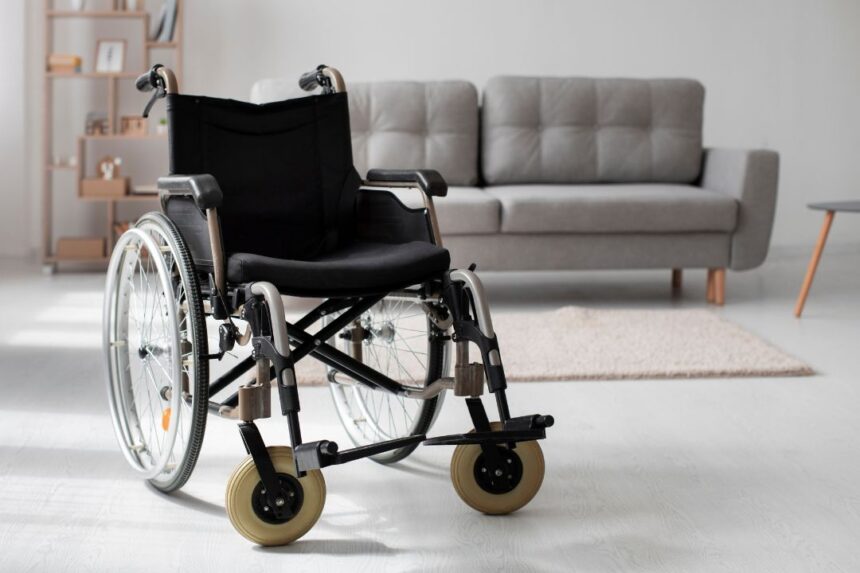
When it comes to mobility, a manual wheelchair is more than just a tool; it’s an extension of your independence and freedom. Just like any other piece of equipment, it requires regular care to ensure smooth sailing on all your adventures. Proper maintenance not only enhances performance but also extends the life of your chair, keeping you rolling without worry. Whether you’re cruising down city streets or navigating tight spaces at home, knowing how to keep your wheelchair in top shape is vital for maintaining both comfort and functionality. Let’s dive into some essential manual wheelchair maintenance tips that will help you enjoy long-lasting performance!
The Importance of Proper Wheelchair Maintenance
Proper wheelchair maintenance is crucial for ensuring safety and reliability. A well-maintained manual wheelchair minimizes the risk of malfunctions that could lead to accidents or injuries.
Regular upkeep also enhances mobility, allowing users to navigate smoothly over various surfaces. Stiff wheels or worn-out tires can hinder movement, making it more difficult to tackle everyday tasks.
Additionally, a clean and functioning wheelchair contributes significantly to overall comfort. Dirt and grime can accumulate in hard-to-reach areas, leading not only to unpleasant odors but potentially affecting the mechanism as well.
Investing time in maintenance translates into cost savings over time. By addressing minor issues early on, you can avoid more extensive repairs that often come with a hefty price tag.
Taking care of your manual wheelchair fosters independence while promoting a positive quality of life.
Daily Maintenance Tasks
Daily maintenance of your manual wheelchair is crucial for optimal performance. Start by inspecting the wheels. Check for any debris that may hinder movement, such as dirt or small stones.
Next, ensure the brakes are functioning properly. A quick test can prevent accidents later on. If you notice any grinding sounds when rolling, it’s time to investigate further.
Don’t forget about the seat and upholstery. Wipe them down regularly with a damp cloth to keep them clean and fresh. This not only maintains hygiene but also enhances comfort during use.
Check your footrests and armrests for stability. These components should be secure and free from damage to ensure safety while navigating various terrains. Consistency in these tasks will contribute significantly to your wheelchair’s longevity and reliability.
Cleaning and Sanitizing Your Wheelchair
Cleaning your manual wheelchair is essential for both hygiene and durability. Start by using a damp cloth to wipe down surfaces, removing dust and grime that can accumulate over time.
For deeper cleaning, consider using mild soap mixed with water. Avoid harsh chemicals that could damage the materials or finishes. Focus on areas like the armrests, footplates, and upholstery where bacteria can easily thrive.
Don’t forget about sanitizing! Use an alcohol-based solution on handles and commonly touched parts to eliminate germs. This is especially important during cold and flu season or after being in public spaces.
Pay attention to the wheels too; they collect dirt from various terrains. Clean them regularly to ensure smooth mobility. A clean manual wheelchair not only looks better but functions more effectively as well. Regular care goes a long way in maintaining its performance.
Checking for Wear and Tear
Regularly inspecting your manual wheelchair for signs of wear and tear is crucial. Over time, components can experience stress from daily use.
Start with the wheels. Check for flat spots or uneven wear on the tires. These issues can affect mobility and safety.
Next, examine the frame. Look for any cracks or rust that may compromise structural integrity. A sturdy frame is essential for reliable support.
Don’t forget about the seating area too. Ensure upholstery isn’t frayed or torn, as this impacts comfort during use.
Pay attention to brakes as well; they should engage smoothly without sticking or making noise when applied.
Inspect footrests and armrests for loose fittings or unusual movements that may indicate damage. Addressing these concerns early can save you from more extensive repairs later on.
Regularly Scheduled Maintenance Appointments
Regularly scheduled maintenance appointments are essential for keeping your manual wheelchair in top shape. These check-ups allow professionals to identify potential issues before they become major problems.
During these appointments, technicians can adjust components like brakes and wheels, ensuring optimal performance. It’s also an opportunity to replace worn-out parts that may affect safety and comfort.
Make a habit of booking these sessions at least once or twice a year, depending on usage. Regular attention helps maintain the longevity of your chair while enhancing its functionality.
Don’t forget to keep a record of past services; this information can guide future maintenance needs. Staying proactive will not only save you time but also reduce long-term costs associated with repairs and replacements.
Tips for Prolonging the Life of Your Wheelchair
To extend the lifespan of your manual wheelchair, start with proper usage. Avoid overloading it beyond the manufacturer’s weight limit.
Regularly check tire pressure if you have pneumatic tires. Proper inflation can enhance performance and prevent unnecessary strain.
Keep your wheelchair on smooth surfaces whenever possible. Rough terrains can lead to quicker wear.
Invest in a protective cover for outdoor use. It shields against weather elements and dirt accumulation.
Consider routine inspections of all moving parts like wheels and brakes. Lubricate joints as needed to ensure they operate smoothly.
Don’t forget about storage conditions; keep your chair in a dry place away from extreme temperatures or humidity that could cause damage over time.
Being proactive prevents small issues from turning into major repairs down the road, saving you both time and money while keeping your mobility device in top shape.
Troubleshooting Common Issues
Troubleshooting common issues with your manual wheelchair can save you time and frustration. Start by checking the wheels. If they seem stiff or unresponsive, inspect for debris jammed in the axles.
Next, listen for any unusual noises while in use. Squeaks or grinding sounds often indicate loose bolts or bearings needing attention. Tightening these components may resolve the issue.
If you find your wheelchair difficult to maneuver, examine the brakes. Ensure they’re not dragging against the wheels; a quick adjustment could enhance performance significantly.
Also, pay attention to the footrests and armrests. Loose parts can lead to discomfort and hinder mobility. Regularly tightening screws can prevent further complications.
Don’t neglect tire pressure if you’re using pneumatic tires. Proper inflation supports smooth rides and maintains stability on various surfaces. A small gauge is helpful for monitoring this regularly.
Conclusion
Taking care of your manual wheelchair is essential for ensuring its longevity and performance. Regular maintenance not only enhances the user experience but also promotes safety and comfort. By following simple daily tasks, cleaning routines, and keeping an eye on wear and tear, you can significantly extend the life of your wheelchair.
Don’t forget to schedule regular maintenance appointments with professionals who can identify potential issues before they become significant problems. Remember that a little effort goes a long way in preserving your mobility device.
If you encounter any common issues, such as squeaky wheels or difficulty maneuvering, troubleshoot them promptly to avoid further complications. Keeping these tips in mind will help ensure that your manual wheelchair remains reliable for years to come.
Invest time into maintaining your wheelchair today—it pays off tomorrow through better performance and less hassle down the road.