




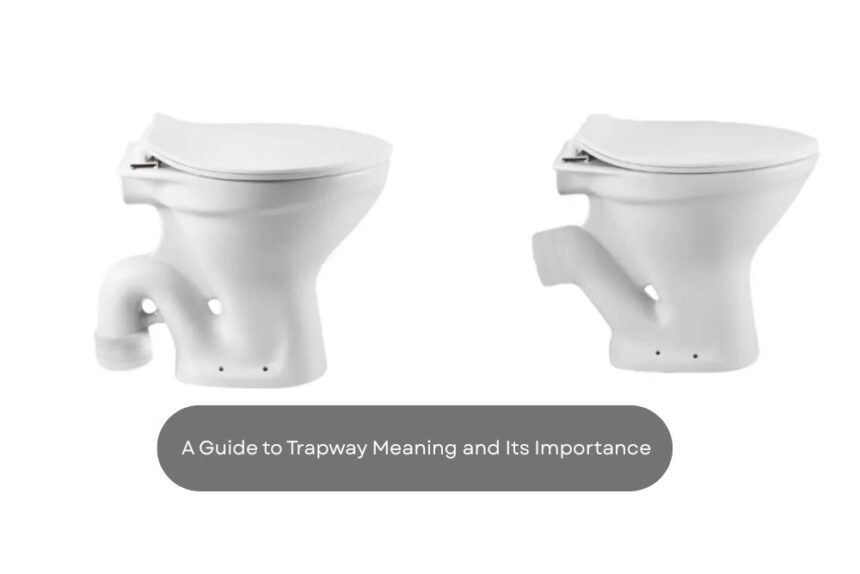
When shopping for a toilet or learning about modern plumbing systems, you may come across the term Trapway Meaning. Although it sounds technical, understanding this concept is important for homeowners, plumbers, property managers, and anyone planning a bathroom upgrade. The trapway plays a major role in how efficiently a toilet flushes, prevents clogs, and controls unpleasant odors.
- Key reasons why it matters include:
- The process works in several steps:
- 1. Exposed Trapway
- 2. Concealed Trapway
- 3. Fully Glazed Trapway
- Common trapway sizes:
- 1. Frequent Clogging
- 2. Slow Flushing
- 3. Sewer Odors
- Important performance factors include:
- Effective maintenance tips include:
- Use Toilet Paper Responsibly
- Clean Regularly
- Inspect for Slow Drainage
- Avoid Harsh Chemicals
- Schedule Plumbing Inspections
- Look for:
- Modern innovations include:
Many people focus only on toilet design, water usage, or appearance while ignoring the internal components that affect performance. However, knowing the Trapway Meaning can help you choose a better toilet, improve bathroom hygiene, and avoid long-term plumbing issues.
In this guide, we’ll explain what a trapway is, how it works, different trapway types, common problems, maintenance tips, and why trapway design matters in modern bathrooms.
What Is Trapway Meaning?
The term Trapway Meaning refers to the curved passage inside a toilet that carries waste from the bowl into the drainpipe. This internal channel is specifically designed to move water and waste efficiently while also preventing sewer gases from entering the home.
The trapway usually has an “S” or “P” shaped curve that holds a small amount of water after every flush. This standing water creates a seal that blocks unpleasant odors and harmful gases from rising through the plumbing system.
Without a properly functioning trapway, toilets would experience more clogs, weaker flushing performance, and increased sanitation problems.
Why Understanding Trapway Meaning Is Important
Understanding the Trapway Meaning is essential because this component directly affects toilet performance and bathroom cleanliness.
Key reasons why it matters include:
- Improves flushing efficiency
- Reduces toilet clogs
- Prevents sewer odors
- Enhances sanitation and hygiene
- Supports better plumbing performance
- Helps homeowners choose the right toilet
A poorly designed trapway can lead to repeated maintenance issues and frustration over time.
How a Trapway Works in a Toilet
The trapway works as part of the toilet’s flushing mechanism. When you flush the toilet, water rushes from the tank into the bowl, creating pressure that pushes waste through the trapway and into the sewer line.
At the same time, the curved design retains enough water to maintain an airtight seal after flushing.
The process works in several steps:
- Water enters the toilet bowl
- Pressure pushes waste toward the trapway
- Waste moves through the curved channel
- The trapway empties into the drain system
- A small amount of water remains to block sewer gases
This simple but effective system is one of the most important parts of modern toilet engineering.
Different Types of Trapways
Not all trapways are the same. Manufacturers use different designs to improve flushing performance and reduce clogging.
1. Exposed Trapway
An exposed trapway is visible from the outside of the toilet. This traditional design is common in older and budget-friendly models.
Advantages:
- Easier access for repairs
- More affordable
- Widely available
Disadvantages:
- Harder to clean around curves
- Less modern appearance
2. Concealed Trapway
A concealed trapway hides the internal curves behind smooth toilet sides. This design has become popular in modern bathrooms.
Advantages:
- Sleek and modern appearance
- Easier exterior cleaning
- Better aesthetics
Disadvantages:
- Slightly higher cost
- Repairs may be more complex
3. Fully Glazed Trapway
A fully glazed trapway has a smooth internal coating that helps waste move more easily through the pipe.
Benefits include:
- Reduced clogging
- Better flushing performance
- Easier maintenance
Many high-efficiency toilets now include glazed trapways for improved reliability.
Importance of Trapway Size
Trapway size significantly affects toilet performance. Wider trapways generally reduce the chances of clogging.
Common trapway sizes:
- 2 inches
- 2 1/8 inches
- 2 3/8 inches
Modern high-performance toilets often feature larger trapways because they improve waste removal efficiency.
When comparing toilet models, trapway size is an important specification to consider.
Common Problems Related to Trapways
Even high-quality toilets can experience trapway-related issues over time.
1. Frequent Clogging
Narrow or poorly designed trapways are more likely to clog, especially in homes with heavy toilet use.
Causes:
- Excess toilet paper
- Non-flushable items
- Mineral buildup
- Weak flushing pressure
2. Slow Flushing
If water and waste move slowly through the toilet, the trapway may be partially blocked.
Possible reasons:
- Debris buildup
- Hard water deposits
- Improper toilet design
3. Sewer Odors
A damaged or dry trapway can allow sewer gases to enter the bathroom.
This may happen when:
- The toilet is unused for long periods
- Plumbing ventilation problems exist
- The water seal disappears
How Trapway Design Impacts Toilet Performance
The design of the trapway directly influences how well a toilet operates.
Important performance factors include:
Smooth Interior Surface
Glazed trapways reduce friction and improve waste movement.
Wider Openings
Larger trapways decrease clogging risks.
Optimized Curves
Properly engineered curves create stronger siphoning action for efficient flushing.
Modern toilet manufacturers invest heavily in trapway engineering to improve water efficiency while maintaining strong flushing power.
Tips for Maintaining a Toilet Trapway
Proper maintenance helps extend toilet lifespan and prevent plumbing issues.
Effective maintenance tips include:
Use Toilet Paper Responsibly
Avoid flushing excessive paper or non-flushable items.
Clean Regularly
Use toilet-safe cleaners to prevent mineral buildup.
Inspect for Slow Drainage
Early detection of slow flushing can prevent major clogs.
Avoid Harsh Chemicals
Strong drain chemicals may damage plumbing over time.
Schedule Plumbing Inspections
Professional inspections help identify hidden issues early.
Choosing a Toilet Based on Trapway Features
When buying a new toilet, many homeowners focus only on appearance or price. However, understanding the Trapway Meaning can help you make a smarter purchase.
Look for:
- Fully glazed trapways
- Larger trapway diameters
- High-efficiency flushing systems
- Positive customer reviews about clog resistance
A well-designed trapway improves long-term reliability and reduces maintenance costs.
Modern Innovations in Trapway Technology
Toilet technology has improved significantly in recent years. Manufacturers now design advanced trapway systems that combine water efficiency with strong flushing performance.
Modern innovations include:
- Pressure-assisted flushing
- Dual-flush technology
- Advanced glazing materials
- Noise-reduction designs
- Eco-friendly water-saving systems
These advancements improve both convenience and sustainability.
Trapway Meaning in Commercial Plumbing
The Trapway Meaning is also highly important in commercial environments such as:
- Hotels
- Restaurants
- Office buildings
- Hospitals
- Schools
Commercial restrooms experience heavy usage, making efficient trapway design essential for reducing maintenance and preventing plumbing disruptions.
Why Trapway Meaning Matters for Homeowners
Understanding the Trapway Meaning helps homeowners make informed decisions about plumbing systems and bathroom upgrades.
Benefits of this knowledge include:
- Better toilet purchasing decisions
- Fewer plumbing emergencies
- Improved bathroom hygiene
- Reduced repair costs
- Enhanced flushing performance
Even though the trapway is hidden inside the toilet, its role is critical to everyday comfort and functionality.
Conclusion
The Trapway Meaning goes far beyond a simple plumbing term. It represents one of the most important components of modern toilet design, directly affecting flushing power, clog prevention, sanitation, and overall bathroom performance.
Whether you’re replacing an old toilet, remodeling a bathroom, or simply learning more about plumbing systems, understanding how trapways work can save time, money, and frustration in the future.
From fully glazed trapways to modern water-efficient designs, today’s toilets continue evolving to provide better performance and reliability. By paying attention to trapway size, design, and maintenance, homeowners can enjoy cleaner, more efficient bathrooms for years to come.