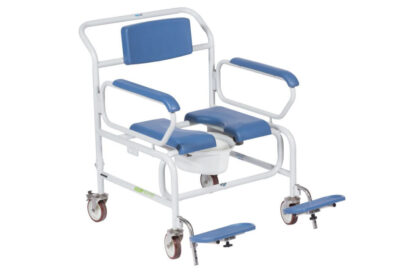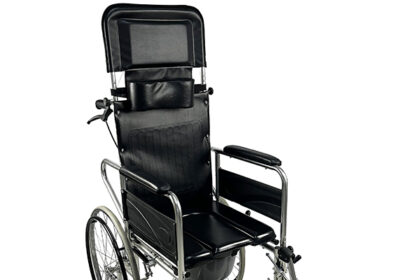





Choosing the right manual wheel chair can feel overwhelming, especially with so many options available. Whether you’re considering mobility solutions for yourself or a loved one, understanding the differences between manual and electric wheelchairs is crucial. Each type offers unique benefits and challenges that cater to various lifestyles and needs. As we navigate through this guide, you’ll discover what makes each option stand out, helping you make an informed choice that enhances your independence and quality of life. Let’s dive in!
- Types of Wheelchairs: Manual and Electric
- Pros and Cons of a Manual Wheel chair
- Pros and Cons of an Electric Wheelchair
- Factors to Consider When Choosing between the Two
- Personal Preference and Lifestyle Choices
- Cost Comparison
- User Accessibility and Independence
- Maintenance and Safety Measures
- Conclusion: Which Wheel chair is Best for You?
- FAQ’S
Types of Wheelchairs: Manual and Electric
Wheelchairs come in two main categories: manual and electric. Each type serves distinct needs, making them suitable for different users.
Manual wheel chairs are propelled by the user or an assistant. They require physical effort to move but offer great benefits in terms of exercise and upper body strength development. These chairs are typically lighter, which can make transportation easier.
On the other hand, electric wheelchairs provide powered mobility at the touch of a button. Ideal for individuals who may have limited upper body strength or endurance, these devices allow users to navigate their surroundings with ease.
Electric models often come equipped with advanced features like adjustable seating and customizable controls. Choosing between manual and electric options depends on personal preferences and lifestyle requirements.
Pros and Cons of a Manual Wheel chair
A manual wheel chair offers several benefits that can be appealing to users. It is typically lighter than its electric counterpart, making it easier to lift and transport. This mobility aids independence during travel or daily activities.
Cost-effectiveness is another advantage. Manual wheelchairs are generally more affordable, which makes them accessible for a wider range of budgets.
However, there are downsides to consider. Propelling the chair requires physical effort, which could be challenging for some users over long distances or uneven terrain.
Storage can also become an issue; they tend to take up space when not in use. Additionally, navigating tight areas might prove difficult without assistance.
Choosing a manual wheel chair means balancing these pros and cons against personal needs and lifestyle preferences.
Pros and Cons of an Electric Wheelchair
Electric wheelchairs offer a range of advantages for users seeking mobility and independence. One major benefit is their ease of use. With simple joystick controls, they allow for smooth navigation in tight spaces.
Additionally, electric models often come equipped with features like adjustable seating and tilt options. This can enhance comfort during longer outings.
However, there are drawbacks to consider. The cost of an electric wheelchair is generally higher than that of a manual one, which can be a significant factor for many individuals.
Maintenance requirements also increase with electric wheelchairs. Regular battery checks and potential repairs may be necessary over time.
Weight can pose another challenge; most electric wheelchairs are bulkier and less portable than manual versions, making transportation more complicated.
Factors to Consider When Choosing between the Two
When deciding between a manual wheelchair and an electric wheelchair, various factors come into play. Start by evaluating your mobility needs. If you have upper body strength and enjoy physical activity, a manual wheelchair might suit you well.
Consider your living environment too. Narrow doorways or uneven surfaces can make navigating tricky with larger electric models. On the other hand, if you’re often outdoors or travel frequently, an electric chair may provide the convenience you require.
Think about how much assistance you’ll need daily. Manual wheel chair demand more effort from the user, while electric options can promote independence but may require charging and maintenance.
Lifestyle choices are crucial as well. Active individuals might appreciate the workout provided by pushing a manual chair. Alternatively, those who prioritize ease of use could find comfort in switching to electric for long distances or busy environments.
Personal Preference and Lifestyle Choices
Choosing between a manual wheelchair and an electric wheelchair often boils down to personal preference. Your lifestyle plays a significant role in this decision.
If you enjoy being active and prefer more control over your movements, a manual wheel chair might suit you better. They offer the satisfaction of physical engagement, which can be empowering.
On the other hand, if convenience is key or if you have limited upper body strength, an electric wheelchair can enhance your mobility without much effort. It’s perfect for long distances or navigating varied terrains effortlessly.
Consider where you’ll primarily use it. Do you frequent crowded spaces? A lighter manual chair may fit through tighter spots with ease. However, for open areas like parks, an electric model could allow exploration without fatigue.
Your day-to-day activities also matter. Whether commuting to work or running errands will influence how practical each option feels in real life.
Cost Comparison
When evaluating costs, manual wheel chair generally have a lower price tag. They can range from a few hundred dollars to several thousand, depending on the features and materials used.
On the other hand, electric wheelchairs tend to be more expensive upfront. Prices often start at around $1,500 and can exceed $10,000 for high-end models with advanced technology.
However, it’s essential to consider ongoing expenses as well. Manual wheel chair require minimal maintenance but may need occasional repairs or replacement parts over time.
Electric chairs come with their own set of expenses like battery replacements and charging equipment. These costs can add up significantly over time.
Insurance coverage might also differ between the two types. Some policies may cover one type more comprehensively than the other based on medical necessity or specific guidelines.
User Accessibility and Independence
User accessibility and independence are crucial factors when considering a wheelchair. A manual wheel chair typically allows users to engage more physically, promoting strength and coordination. This hands-on experience can enhance one’s sense of autonomy.
On the other hand, an electric wheelchair offers ease of movement with minimal effort. Users can navigate various terrains without physical strain, which is essential for those who may tire quickly or have limited upper body strength.
However, navigating tight spaces can be challenging for both types. Manual chairs often require more skill in crowded areas, while electric models need ample room for turning and maneuvering.
The best choice depends on individual needs and daily environments. Assessing where you spend most of your time will help determine which option enhances your mobility and freedom the most effectively.
Maintenance and Safety Measures
Regular maintenance is crucial for both manual wheel chairs and electric wheelchairs. For manual models, check the wheels and tires frequently. Ensure they are properly inflated and free of debris to ensure a smooth ride.
Electric wheelchairs require more attention due to their motors and batteries. Inspect electrical connections regularly, as loose wires can cause functionality issues. Keep the battery charged according to manufacturer guidelines for optimal performance.
Safety measures should also be prioritized. Always use straps or seat belts when necessary, particularly in electric models that can reach higher speeds. Be mindful of your surroundings to avoid obstacles that may pose risks while maneuvering.
Cleaning is essential too; dirt buildup can affect performance over time. Wipe down surfaces with appropriate cleaners to maintain hygiene and prolong lifespan without damaging components. Regular inspections help prevent accidents related to wear and tear, keeping you safe on the move.
Conclusion: Which Wheel chair is Best for You?
Choosing between a manual wheel chair and an electric wheelchair depends on various personal factors. Think about your daily activities and mobility needs.
If you enjoy physical exercise or need to strengthen your upper body, a manual wheel chair might align better with your lifestyle. It provides the added benefit of engaging in regular movement.
On the other hand, consider an electric wheelchair if convenience is key for you. They offer ease of use, especially over long distances or rough terrains.
Evaluate how each option impacts your independence. Will one allow you more freedom than the other?
Assess not just functionality but also comfort and safety features that resonate with your specific situation. Your choice should reflect what enhances your quality of life most effectively, keeping both practicalities and preferences in mind.
FAQ’S
Choosing between a manual wheel chair and an electric wheelchair can be challenging. Each option has unique advantages and potential drawbacks, making it essential to carefully assess your needs, lifestyle, and preferences.
Manual wheel chair offer greater control for those who enjoy physical activity or have upper body strength. They are generally more affordable and easier to transport. However, they require regular effort from the user, which might not suit everyone.
On the other hand, electric wheelchairs provide ease of use with minimal physical exertion. They are excellent for individuals who may struggle with pushing themselves or require assistance over longer distances. However, they typically come at a higher cost and could necessitate more maintenance.
Considering factors like personal preference, budget constraints, mobility requirements, and overall lifestyle will help clarify which type is best suited for you.
What is a manual wheelchair?
A manual wheel chair is propelled by the user’s own strength through push rims attached to the wheels. It allows users full control over their movement but requires physical effort.
Are electric wheelchairs heavy?
Electric wheelchairs tend to be heavier than manual ones due to their batteries and motors. Nevertheless, many models are designed with lightweight materials for ease of transportation.
How long does the battery last on an electric wheelchair?
Battery life varies depending on usage but usually lasts anywhere from 10 to 20 miles on a single charge before needing replacement or recharge.
Can I modify my manual wheel chair?
Yes! Manual wheelchairs can often be customized with various accessories such as footrests or cushions tailored specifically for comfort and support based on individual needs.
Do insurance companies cover these types of chairs?
Coverage varies by provider; however many insurance plans do include provisions for both manual and electric wheelchairs if deemed medically necessary following proper assessments.