




Recovering from surgery is a journey that often requires extra support, and choosing the right post surgery wheelchair can make all the difference. Whether you’re facing mobility challenges temporarily or for an extended period, finding a wheelchair tailored to your specific needs is essential. The perfect chair not only enhances your comfort but also aids in your recovery process by promoting independence and ease of movement.
- The Importance of Choosing the Right Wheelchair After Surgery
- Factors to Consider When Choosing a Post Surgery Wheelchair
- Types of Post Surgery Wheelchairs
- Features to Look for in a Post Surgery Wheelchair
- Tips for Making Your Wheelchair More Comfortable
- How to Properly Use and Maintain Your Post Surgery Wheelchair
- Conclusion
- FAQ’S
With so many options available today, navigating this choice might seem daunting at first glance. But don’t worry—this guide will help you understand what to look for in a post surgery wheelchair and how to select one that best suits your lifestyle and recovery goals. Let’s dive into the key factors that will lead you to the ideal mobility solution!
The Importance of Choosing the Right Wheelchair After Surgery
Choosing the right wheelchair after surgery is crucial for a smooth recovery. The right chair supports mobility and contributes to overall healing.
An ill-fitting or unsuitable wheelchair can lead to discomfort, pain, or even complications during your recovery. A well-chosen chair promotes proper posture and minimizes strain on your body.
Additionally, the right wheelchair encourages independence. With enhanced mobility, you regain confidence in daily activities like moving around your home or visiting friends and family.
Your lifestyle should also inform your choice. If you have limited space at home or plan to use it outdoors frequently, these factors will dictate which type of wheelchair suits you best.
Selecting a post surgery wheelchair that aligns with your needs fosters not only physical comfort but emotional well-being as well. This decision directly impacts how effectively you can focus on healing and returning to everyday life.
Factors to Consider When Choosing a Post Surgery Wheelchair
When selecting a post surgery wheelchair, several factors come into play. First, consider your mobility needs. Are you recovering from a minor procedure or something more extensive? This will influence the type and model you should choose.
Next, evaluate the weight capacity of the wheelchair. Ensure it can accommodate your body weight comfortably without compromising safety.
Portability is another important aspect. If you plan to travel or need to maneuver through tight spaces, look for lightweight options that are easy to fold and transport.
Don’t forget about adjustability features like seat height and armrest position. These adjustments can provide added comfort during recovery.
Think about the terrain you’ll encounter. Will you mostly be indoors on smooth surfaces or outdoors on rougher paths? Selecting wheels suited for different terrains can significantly enhance your experience in recovery.
Types of Post Surgery Wheelchairs
When selecting a post surgery wheelchair, it’s essential to know the different types available. Standard wheelchairs are versatile and suitable for various conditions. They typically have fixed armrests and footrests, providing a basic yet effective option.
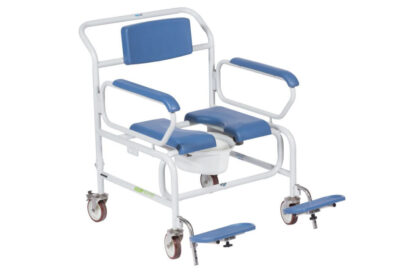
For those needing extra support, heavy-duty chairs offer enhanced durability. These are designed for larger individuals or those requiring additional stability during recovery.
Transport wheelchairs are lightweight and easy to maneuver. They’re perfect for short trips and can be folded easily, making them convenient for travel or storage.
Power wheelchairs bring independence back into your life with electric motors that assist in mobility. Ideal for longer distances or when upper body strength is limited, they provide ease of movement without physical strain.
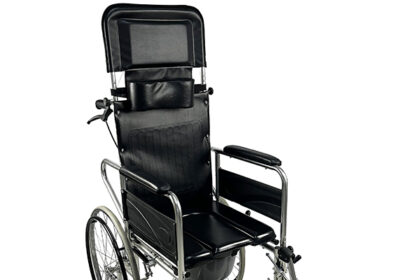
Reclining wheelchairs allow users to adjust their position comfortably while resting or recovering from surgery. Each type has its unique benefits tailored to meet specific needs during recovery.
Features to Look for in a Post Surgery Wheelchair
When selecting a post surgery wheelchair, consider the weight capacity. A sturdy frame ensures safety and stability during recovery.
Look for adjustable footrests. They provide comfort to your legs and accommodate various heights, helping prevent pressure sores.
A reclining backrest can be invaluable. It allows for different seating positions, promoting better circulation and reducing strain on your body.
Wheels are another important feature. Large rear wheels make maneuvering easier, especially outdoors or on uneven surfaces.
Don’t overlook brakes; reliable handbrakes add an essential layer of security when transferring in and out of the chair.
Check for portability options. Some wheelchairs fold easily, making transportation hassle-free when you need to go to appointments or therapy sessions.
Tips for Making Your Wheelchair More Comfortable
- Adjusting the seat height can significantly improve your comfort. Make sure your feet rest flat on the ground for better support.
- Consider using a cushioned seat cover. It adds padding and reduces pressure points during prolonged sitting sessions.
- Armrests are important too. Adding soft pads or cushions can make them more comfortable, especially if you’re resting for long periods.
- Don’t forget about footrests! Adjustable footrests ensure your legs are well-supported, preventing strain and promoting circulation.
- Keep personal items within reach. A small pouch attached to the wheelchair can help you avoid unnecessary stretching or reaching while seated.
How to Properly Use and Maintain Your Post Surgery Wheelchair
Using a post surgery wheelchair correctly is crucial for your recovery. Always ensure the brakes are engaged before transferring in or out of the chair. This prevents any accidental rolling and enhances safety.
Keep your posture straight while seated. Adjust the footrests properly to avoid strain on your legs. If you’re using a powered chair, familiarize yourself with the controls gradually to gain confidence.
Maintenance is equally important. Regularly check tire pressure if applicable, and inspect wheels for debris that might hinder movement. Clean upholstery with mild soap to keep it fresh and hygienic.
Additionally, store your wheelchair in a dry place when not in use to prevent rusting of metal parts. Inspect it periodically for wear and tear; this helps prolong its life and ensures smooth operation during rehabilitation periods.
Conclusion
Choosing the right post surgery wheelchair can greatly impact your recovery. This decision is more than just about mobility; it’s about comfort and independence.
Each person’s needs are unique, so take your time to evaluate the various options available. Think about how you plan to use the wheelchair daily, whether indoors or outdoors.
Prioritize features that enhance both safety and ease of use. The right adjustments can make a world of difference in your day-to-day life.
Don’t forget to explore tips for personalizing your chair for maximum comfort. Small additions can transform an ordinary experience into a pleasant one.
Maintaining your wheelchair will ensure it serves you well throughout recovery and beyond. Regular checks keep it functioning smoothly and safely.
FAQ’S
Choosing the right post surgery wheelchair can significantly impact your recovery. The right chair supports mobility, comfort, and independence during a challenging time. When selecting a wheelchair, consider factors like weight capacity, ease of use, and specific features that cater to your needs.
Different types of post surgery wheelchairs are available on the market today. From lightweight models for easy transport to more robust options designed for stability and support—there’s something for everyone.
Features such as adjustable footrests, comfortable seating materials, and foldability should be high on your priority list when making a choice. Comfort is key; small adjustments can make a significant difference in your experience.
Making your wheelchair more comfortable goes beyond selecting the right model. Cushions or extra padding can help alleviate pressure points while also improving posture during long periods of sitting.
Proper usage and maintenance will ensure longevity for your chosen wheelchair. Regular checks on brakes and tires will keep everything functioning smoothly. Cleaning the frame regularly helps maintain its appearance too.
Now let’s address some common questions regarding post surgery wheelchairs:
What type of wheelchair is best after surgery?
The best type depends on individual needs but look for lightweight models with good cushioning to enhance comfort during recovery.
How do I know if my wheelchair fits me properly?
A proper fit allows you to sit comfortably without any strain. Your feet should rest flat on the ground while maintaining elbow height at approximately 90 degrees when holding onto armrests.
Can I customize my post surgery wheelchair?
Many manufacturers offer customization options including additional cushions or accessories tailored to personal preferences or medical requirements.
Is it necessary to have a specialized cushion?
Yes! Specialized cushions help prevent pressure sores which are common after prolonged sitting due to reduced mobility following surgery.
How often should I clean my wheelchair?
Regular cleaning every few weeks is recommended along with thorough inspections after any outdoor use or exposure to dirt/sand conditions.
Finding the ideal post surgery wheelchair may take some time but it’s worth investing effort into this process—it plays an essential role in enhancing both mobility