




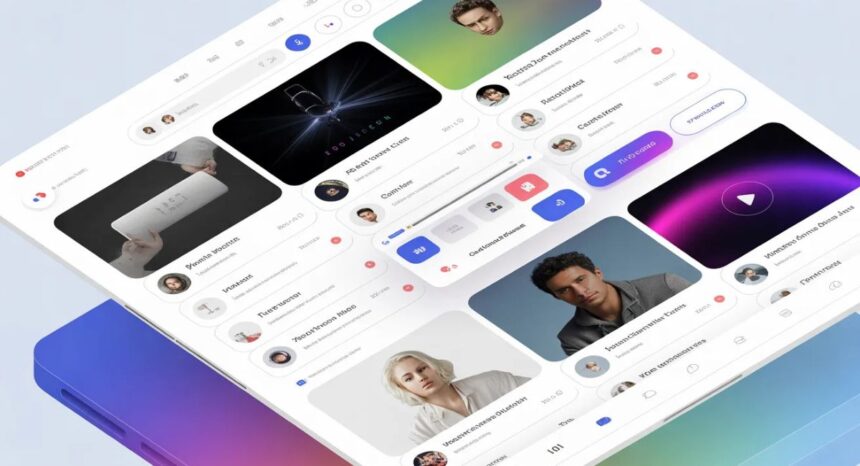
Introduction to Digital Content Platforms: In today’s digital age, content is king. But managing that content effectively can be challenging for businesses of all sizes. This is where a digital content platform comes into play. Imagine having a centralized hub to create, manage, and distribute your content seamlessly across various channels. With the right tools at your fingertips, you can elevate your brand’s online presence and engage with your audience like never before.
Whether you’re a small business owner or part of a large enterprise, understanding what a digital content platform offers is crucial for staying ahead in the competitive landscape. Let’s dive into the features that make these platforms indispensable and explore how they can transform your approach to digital marketing!
What Is a Digital Content Platform?
A digital content platform is an online system where users can create, publish, manage, and share content such as articles, videos, images, or audio. It provides tools for content creation, distribution, and audience engagement. Examples include blogging sites, video platforms, and social media networks. These platforms help individuals and businesses reach and grow their audience online.
Key Features of a Digital Content Platform
A digital content platform boasts several key features that enhance user experience and streamline content management. First, robust content creation tools enable users to produce high-quality multimedia seamlessly. From text to video, these platforms cater to diverse formats.
Next is powerful analytics integration. Users can track engagement metrics in real-time, allowing for data-driven decision-making and adjustments on the fly.
Collaboration capabilities also play a crucial role. Teams can work together efficiently, sharing feedback instantly and managing projects within a centralized system.
Another essential feature is customization options. Brands can tailor their appearance and functionality to align with their unique identity.
Security measures ensure that all content remains protected from unauthorized access while maintaining compliance with regulations.
Benefits of Using a Digital Content Platform
Using a digital content platform brings numerous advantages for businesses and creators alike. One of the most significant benefits is streamlined content management. This allows users to organize, publish, and update their materials efficiently.
Collaboration becomes seamless with these platforms. Teams can work together in real time, sharing feedback and making adjustments swiftly. This leads to more cohesive projects.
Moreover, analytics tools embedded within many platforms provide valuable insights into audience engagement. Understanding what resonates helps refine strategies moving forward.
Scalability is another crucial aspect; as your needs grow, so does the capacity of a digital content platform. Whether you’re expanding your team or increasing your output, flexibility is key.
Enhanced security features protect sensitive information from unauthorized access while ensuring compliance with regulations—an essential factor in today’s digital landscape.
How Does a Digital Content Platform Work?
A digital content platform operates as a centralized hub for creating, managing, and distributing various types of content. Users can upload videos, articles, images, or other media formats effortlessly.
Once the content is uploaded, it gets organized through tags and categories. This helps in easy retrieval and enhances user experience. Content creators often have tools that allow them to edit and optimize their materials directly on the platform.
Additionally, these platforms utilize algorithms to analyze user engagement. Insights generated from data help tailor recommendations based on audience preferences.
Security features also play a crucial role. They protect intellectual property while allowing controlled access for team members or collaborators.
Real-time collaboration tools enable multiple users to work together seamlessly from different locations. This makes it easier to streamline workflows and increase productivity across projects.
Examples of Popular Digital Content Platforms
When exploring digital content platforms, a few standout names come to mind. WordPress is a favorite for bloggers and businesses alike, offering extensive customization options and user-friendly tools for content management.
For those focusing on video, YouTube reigns supreme. It allows creators to share their videos with millions while providing monetization opportunities through ads and sponsorships.
If you’re looking at visual storytelling, Instagram should be on your radar. This platform excels in sharing images and short videos, making it perfect for brands aiming to engage users visually.
For collaborative workspaces, Google Drive stands out as an efficient option. It enables teams to create, share, and edit documents in real time from anywhere in the world.
Platforms like Medium offer writers a dedicated space to publish articles on various topics while reaching an engaged audience eager for fresh perspectives.
Choosing the Right Digital Content Platform for Your Needs
Selecting the right digital content platform can significantly impact your content strategy. Start by assessing your specific needs. Are you focused on video, audio, or written content? This will guide your choice.
Consider scalability as well. Will the platform grow with your business? Look for options that allow easy expansion without losing functionality.
User experience is crucial too. Choose a platform that’s intuitive and user-friendly for both creators and consumers. A complicated interface can hinder productivity.
Cost is another important factor to weigh carefully. Compare pricing models and ensure there are no hidden fees attached.
Evaluate customer support offerings. Responsive assistance can make a big difference when issues arise or questions emerge during usage.
Taking time to analyze these aspects will help you find a digital content platform tailored to your unique requirements.
Conclusion
Digital content platforms have revolutionized the way businesses and individuals create, manage, and distribute their content. By understanding their features and benefits, you can harness these tools to enhance your digital presence effectively.
When selecting a digital content platform that suits your needs, consider factors like scalability, user experience, integration capabilities, and support services. Whether you’re a small business owner or part of a large enterprise team, there’s likely a platform designed just for you.
The right choice can streamline your workflow and amplify your reach in today’s increasingly competitive landscape. Take the time to explore various options available on the market to find one that aligns with your goals. The investment could very well pay off in increased engagement and growth for all types of digital endeavors.
FAQ’s
What is a digital content platform?
A digital content platform is an online system where users create, manage, publish, and distribute content like text, images, videos, and audio.
What are the 4 types of content?
The four main types of content are written (blogs), visual (images), audio (podcasts), and video content.
What are 7 types of digital marketing?
They include SEO, social media marketing, content marketing, email marketing, PPC, affiliate marketing, and influencer marketing.
What are the 4 most common platform types?
The four common platform types are content platforms, social media platforms, e-commerce platforms, and communication platforms.