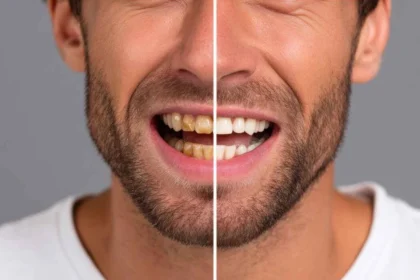




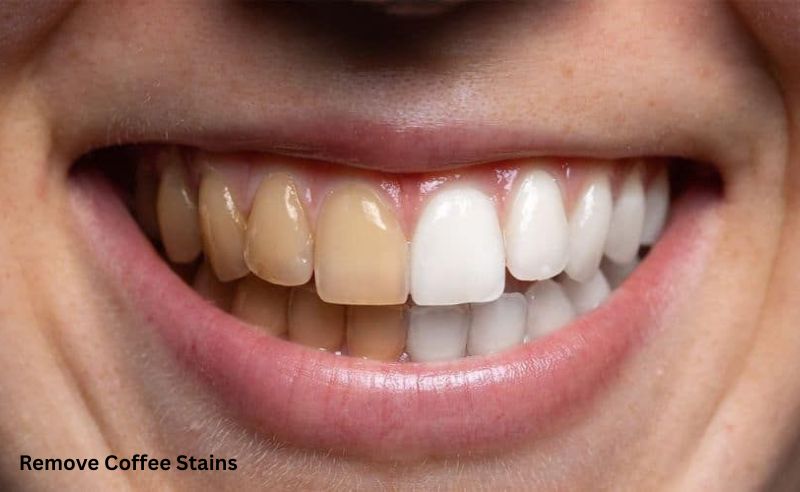
Coffee lovers, we feel you! That rich aroma and bold flavor can make your mornings blissful. But as much as we cherish our daily cup of joe, there’s a little downside: coffee stains on teeth. Those delightful sips can leave behind unsightly discoloration that might make you hesitant to flash that bright smile.
- Understanding the Causes of Coffee Stains
- Prevention Tips for Avoiding Coffee Stains
- Home Remedies for Removing Coffee Stains
- A. Baking Soda and Hydrogen Peroxide Scrub
- B. Oil Pulling with Coconut Oil
- C. Activated Charcoal Paste
- Professional Treatments for Removing Coffee Stains
- Tips for Maintaining Whiter Teeth while Drinking Coffee
If you’re wondering how to keep your pearly whites shining despite your caffeine habit, you’ve come to the right place. We’ll explore why coffee leaves its mark on our teeth and share effective tips for prevention and removal. Whether you’re looking for home remedies or professional treatments, we’ve got the scoop on achieving a brighter smile while still enjoying every sip of coffee. So grab your mug, sit back, and let’s dive into the world of dental care without sacrificing your love for this beloved brew!
Understanding the Causes of Coffee Stains
Coffee stains on teeth are often the result of tannins found in coffee. These compounds can cling to enamel, leading to discoloration over time. The darker the roast, the more concentrated these staining agents tend to be. This means that your morning cup of dark brew might be contributing more than you realize.
Acidity also plays a role in this process. The acidity of coffee can weaken tooth enamel, making it easier for stains to penetrate and settle into the surface. Additionally, habits such as sipping coffee slowly or letting it linger in your mouth can increase exposure and lead to more pronounced staining.
Even genetics can impact how susceptible your teeth are to discoloration from coffee. Some people naturally have softer enamel or different mineral compositions which make them more prone to staining when consuming pigmented beverages like coffee.
Prevention Tips for Avoiding Coffee Stains
If you love your daily cup of coffee, there are simple ways to prevent those pesky stains. Start by rinsing your mouth with water after each sip. This helps wash away the pigments before they settle on your teeth.
Consider using a straw when enjoying iced coffee or cold brew. This minimizes contact between the beverage and your teeth, reducing stain potential significantly.
Another effective method is to maintain regular dental hygiene. Brushing twice a day and flossing can help eliminate any lingering particles from coffee that may lead to discoloration.
Additionally, limit sugar and cream additives in your drink. These can contribute not only to staining but also promote plaque buildup on teeth.
Try scheduling professional cleanings every six months. Keeping up with dental visits ensures that any early signs of staining are addressed quickly.
Home Remedies for Removing Coffee Stains
Home remedies can be surprisingly effective for tackling those pesky coffee stains on teeth. They often use ingredients you probably already have at home.
Baking soda and hydrogen peroxide create a powerful scrub that can brighten your smile. Mix a small amount of each to form a paste, then gently brush your teeth with it once or twice a week.
Oil pulling is another option. Swishing coconut oil in your mouth for 10-15 minutes can help lift stains while promoting oral health. It’s an ancient practice that many swear by.
Activated charcoal is gaining popularity too. This fine black powder absorbs impurities and may help whiten your teeth when made into a paste with water. Just remember to use it sparingly, as its abrasiveness could wear down enamel over time.
These natural solutions offer simple ways to enhance your dental routine without harsh chemicals or treatments.
A. Baking Soda and Hydrogen Peroxide Scrub
A baking soda and hydrogen peroxide scrub is a well-known remedy for tackling coffee stains on teeth. This dynamic duo works wonders because both ingredients are effective at breaking down surface stains.
To make this scrub, mix one tablespoon of baking soda with two tablespoons of hydrogen peroxide to form a paste. The texture should be thick enough to apply easily but not too runny.
Using a soft toothbrush, gently apply the paste to your teeth. Focus on areas that show more discoloration. Let it sit for about one to two minutes before rinsing thoroughly with water.
It’s important not to overuse this method, as excessive scrubbing can damage enamel. Aim for once or twice a week for best results while keeping your smile bright and refreshed!
B. Oil Pulling with Coconut Oil
Oil pulling is an ancient practice that involves swishing oil in your mouth to improve oral health. Coconut oil, with its natural antibacterial properties, is a popular choice for this method.
To try it out, take about one tablespoon of coconut oil and swish it around your mouth for 15-20 minutes. Focus on using gentle movements; there’s no need to strain yourself. As you do this, the oil binds with bacteria and plaque, helping lift stains from teeth.
Afterward, spit the oil into a trash can—never down the sink—to avoid clogging pipes. Rinse your mouth thoroughly with water or saltwater to remove any residue left behind.
Regularly incorporating coconut oil pulling into your routine may not only brighten your smile but also promote overall dental hygiene. It’s a simple addition that can make significant differences over time!
C. Activated Charcoal Paste
Activated charcoal has gained popularity as a natural remedy for teeth whitening. Its porous nature helps absorb stains, making it an effective choice for those battling coffee discoloration.
To create an activated charcoal paste, mix a teaspoon of activated charcoal powder with water or coconut oil until you achieve a smooth consistency. This simple blend can work wonders for your smile.
Apply the paste to your toothbrush and gently brush in circular motions. Focus on areas where stains are more pronounced but be careful not to overdo it; moderation is key to avoid enamel wear.
Leave the paste on your teeth for about five minutes before rinsing thoroughly. You may notice immediate results after just one use, although consistent application can enhance its effectiveness over time.
Incorporating this method into your oral care routine could help keep those pesky coffee stains at bay while maintaining overall dental hygiene.
Professional Treatments for Removing Coffee Stains
When it comes to tackling stubborn coffee stains, professional treatments can be a game-changer. Dentists offer various options tailored to your needs.
One popular method is in-office whitening. This procedure uses high-concentration bleaching agents and specialized lights for quick results. You’ll walk out with noticeably brighter teeth after just one session.
Another effective option is custom take-home kits provided by your dentist. These kits come with trays that fit snugly over your teeth, allowing for gradual whitening at home.
For those looking for more extensive solutions, veneers might be the answer. They cover stained teeth and create a uniform appearance while adding strength.
Whichever route you choose, consulting with a dental professional ensures you’re making an informed decision based on your unique situation. Their expertise can guide you toward the most suitable treatment plan for achieving that coveted bright smile.
Tips for Maintaining Whiter Teeth while Drinking Coffee
Enjoying your morning cup of coffee doesn’t have to mean sacrificing a bright smile. There are simple steps you can take to maintain whiter teeth while still relishing the rich flavors of your favorite brew.
First, consider using a straw when drinking coffee. This helps minimize contact between the beverage and your teeth, reducing staining potential. If possible, rinse your mouth with water after having coffee. A quick swish can help wash away any lingering particles that may lead to discoloration.
Another effective strategy is to pair coffee with foods that promote oral health. Crunchy fruits and vegetables like apples or carrots not only provide nutrients but also act as natural toothbrushes, scrubbing away stains as you chew.
Regular dental hygiene practices are essential for maintaining whiteness too. Brush at least twice daily and floss regularly to keep plaque buildup at bay, which can exacerbate staining issues over time.
Consider incorporating whitening toothpaste into your routine once in a while; these formulas are designed specifically for stain removal without compromising enamel health.
Schedule regular visits with your dentist for professional cleanings and check-ups. They can offer personalized advice tailored to your habits and lifestyle while ensuring that any stubborn stains don’t become permanent fixtures on your smile.
With these tips in hand, you can enjoy every sip of coffee confidently – knowing that a radiant smile is well within reach.