


In this blog post, we’ll explore what sets medical grade skincare apart from standard products. You’ll discover its numerous benefits and a curated list of top 10 medical grade skincare brands that have earned their reputation through science-backed efficacy. Plus, we’ll provide tips on how to choose the right products for your unique skin type and how to seamlessly integrate them into your routine. Ready to elevate your skincare game? Let’s dive in!
- What is Medical Grade Skincare?
- The Benefits of Medical Grade Skincare
- Top 10 Medical Grade Skincare Brands and Their Products
- Key Characteristics
- How to Choose the Right Medical Grade Skincare for Your Skin Type
- Tips for Incorporating Medical Grade Skincare into Your Routine
- The Importance of Consulting a Dermatologist
- Conclusion
- FAQs
What is Medical Grade Skincare?
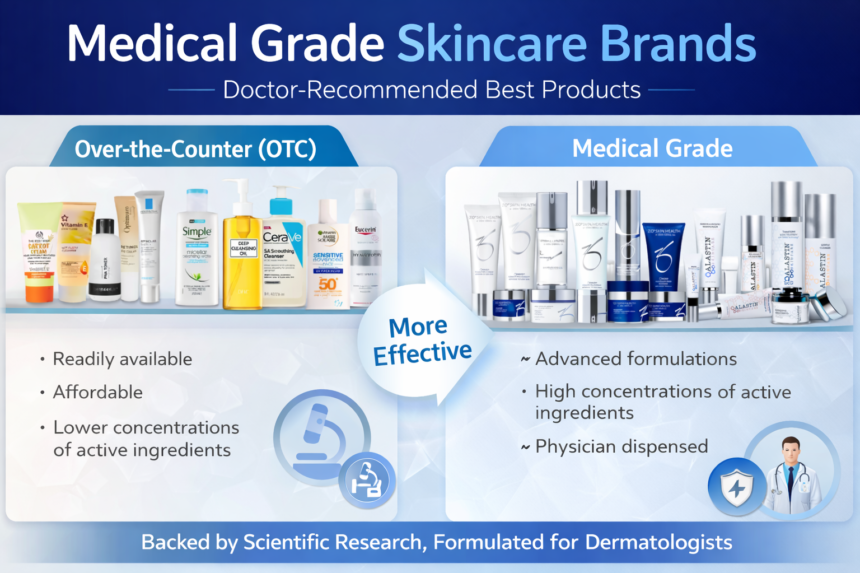
Medical grade skincare refers to products formulated with higher concentrations of active ingredients than those typically found in over-the-counter options. These formulations are often backed by scientific research and clinical studies, making them more effective for various skin conditions.
Unlike conventional skincare lines, medical grade products require a consultation with a licensed dermatologist or skincare professional before use. This ensures that the chosen treatments align perfectly with individual skin types and concerns.
These products penetrate deeper into the skin layers, targeting issues such as fine lines, acne scars, hyperpigmentation, and even rosacea. Their potency allows for visible improvements in texture and tone when used consistently.
While they may come at a higher price point than drugstore brands, many users find their investment worthwhile due to the noticeable results they achieve.
The Benefits of Medical Grade Skincare
Medical grade skincare offers a range of benefits that set it apart from over-the-counter products. One significant advantage is the concentration of active ingredients. Formulations are often more potent, allowing for targeted treatment of specific skin concerns.
These products undergo rigorous testing to ensure safety and efficacy. This scientific backing means users can trust the effectiveness of their chosen treatments.
Many medical-grade brands also provide tailored solutions for various skin types—oily, dry, sensitive, or combination. With personalized options available, individuals are likely to see better results.
Another perk is professional guidance. Dermatologists frequently recommend these brands after assessing individual needs, ensuring users get what’s right for them.
Consistent use can lead to long-term improvements in skin texture and tone. Users may notice fewer breakouts and enhanced radiance as they incorporate these advanced formulas into their routines.
Top 10 Medical Grade Skincare Brands and Their Products
When it comes to medical grade skincare brands, quality is key. These products often contain higher concentrations of active ingredients than typical over-the-counter options.
SkinCeuticals stands out with its powerful antioxidants and sun protection formulas. Their C E Ferulic serum is a fan favorite for brightening skin.
Obagi offers targeted solutions for pigmentation issues, particularly the Obagi Nu-Derm system known for transforming skin texture.
ZO Skin Health provides comprehensive regimens designed by dermatologists. Their Retinol Stimulating Serum boosts cell turnover effectively.
Another notable brand is Epionce, which focuses on barrier repair and hydration. The Intense Defense Serum combines vitamins and botanical extracts for remarkable results.
Alastin Skincare specializes in enhancing your body’s natural processes with their innovative formulations like Restorative Skin Complex that promotes overall skin health.
Each brand brings unique offerings tailored to specific skin concerns, making them worthy contenders in the medical grade realm.
Key Characteristics
Clinical Studies: Products are backed by peer-reviewed research, not just marketing claims.
High Potency: Higher concentrations of active ingredients (retinols, acids, antioxidants) compared to over-the-counter options.
Specialized Delivery: Advanced systems that allow ingredients to penetrate deeper into the skin.
Professional Advice: Often sold through dermatologists, plastic surgeons, and specialized clinics, or authorized online retailers.
How to Choose the Right Medical Grade Skincare for Your Skin Type
Choosing the right medical grade skincare for your skin type can feel overwhelming. Start by identifying whether your skin is oily, dry, combination, or sensitive. Each type has specific needs that require tailored products.
For oily skin, look for lightweight formulas with ingredients like salicylic acid or niacinamide to control excess oil and prevent breakouts. If you have dry skin, opt for hydrating products containing hyaluronic acid or ceramides to lock in moisture.
Combination skin requires a balanced approach. Seek out versatile products that address both dryness and oiliness without causing irritation.
Sensitive skin often reacts easily to various ingredients. Choose fragrance-free options with soothing agents such as aloe vera or chamomile.
Consult product labels carefully and avoid harsh chemicals that could exacerbate your concerns. A patch test can be a helpful way to gauge how your skin will react before fully committing to new formulations.
Tips for Incorporating Medical Grade Skincare into Your Routine
Start slowly. Introduce one or two products at a time to avoid overwhelming your skin.
Always cleanse before applying medical grade formulas. A clean canvas enhances absorption and effectiveness.
Layer based on consistency. Apply lighter serums first, followed by heavier creams or oils for optimal results.
Be consistent with your routine. Skincare is not a one-time fix; regular use yields the best outcomes over time.
Don’t forget sun protection. Many medical-grade ingredients can increase sensitivity to the sun, so apply sunscreen daily.
Listen to your skin’s needs. Adjust frequency if irritation occurs—sometimes less is more in skincare.
Stay hydrated and maintain a balanced diet too! Healthy skin reflects overall wellness and complements any skincare regimen beautifully.
The Importance of Consulting a Dermatologist
Consulting a dermatologist is crucial when considering medical grade skincare. These professionals possess the expertise to assess your skin’s unique needs accurately.
A dermatologist can identify specific conditions such as acne, rosacea, or hyperpigmentation. Their knowledge ensures you choose products that effectively target these issues without causing irritation.
Personalized recommendations are another key benefit. What works for one person may not work for another. A tailored approach considers factors like skin type, lifestyle, and even environmental influences.
Moreover, dermatologists stay updated on the latest research and advancements in skincare technology. This means they can guide you toward reputable brands and formulations backed by science.
Regular check-ins with a dermatologist also help monitor your skin’s progress over time. They can adjust your regimen as needed to achieve optimal results while minimizing potential side effects from potent ingredients often found in medical grade skincare lines.
Conclusion
Choosing the right medical grade skincare brand can be a transformative experience for your skin. With so many options available, finding products that cater to your specific needs is crucial.
Each brand brings something unique to the table. Their formulations often harness potent ingredients backed by scientific research. This can lead to visible improvements in skin texture, tone, and overall health.
Consulting with a dermatologist will help you navigate these choices effectively. They can guide you toward suitable products tailored to your skin type and concerns.
Incorporating medical grade skincare into your routine may require patience but offers rewarding results over time. Remember that consistency is key for achieving long-lasting benefits. Your skincare journey should feel empowering—embrace it!
FAQs
When it comes to medical grade skincare brands, understanding your options can make a significant difference in your skin health. Here are some frequently asked questions that might help clarify any lingering doubts.
What is the difference between medical grade and over-the-counter skincare?
Medical grade skincare products contain higher concentrations of active ingredients compared to those available at retail stores. They often require professional guidance for optimal results.
Can anyone use medical grade skincare products?
While these products benefit many skin types, it’s essential to consult with a dermatologist or licensed aesthetician first. They can recommend specific brands and formulations tailored to your needs.
Are medical grade products more expensive than regular ones?
Yes, they typically come at a higher price point due to their potency and the research behind them. However, many find that the investment leads to better results over time.
How long before I see results from using medical grade skincare?
Results vary depending on individual skin concerns and chosen products. Generally, users may start noticing improvements within four to six weeks with consistent use.
Is it safe to mix different brands of medical-grade skincare?
Mixing brands can be effective if done thoughtfully; however, it’s crucial not to combine products with conflicting active ingredients without consulting a professional first.
By exploring these aspects of medical-grade skincare brands, you’re well-equipped for informed decisions about enhancing your routine for healthier-looking skin.