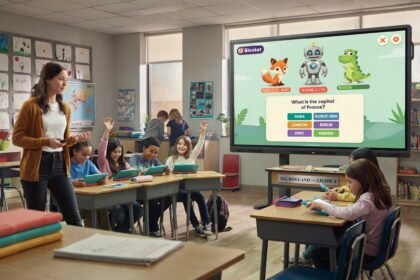




Introduction to AI in Education & Homeschooling: Artificial Intelligence is rapidly transforming many aspects of our lives, and education is no exception. From interactive learning tools to personalized tutoring systems, AI offers innovative solutions that cater to the diverse needs of students and educators alike. Imagine a classroom where every student receives tailored support or a homeschooling environment enriched by intelligent resources—this future is closer than we think.
As technology continues to evolve, it opens up exciting opportunities for both traditional educational settings and home-based learning experiences. The integration of AI can revolutionize how knowledge is delivered and absorbed, making the learning journey not just more efficient but also more engaging. Let’s explore the myriad benefits that AI brings to education and homeschooling while keeping an eye on any potential challenges along the way.
What are 5 Advantages of AI in Education?
Artificial Intelligence offers several important advantages in education. First, it provides personalized learning experiences tailored to each student’s needs and learning pace. Second, AI delivers instant feedback, helping students identify and correct mistakes quickly. Third, it automates administrative tasks such as grading and lesson planning, saving valuable time for educators.
Fourth, AI improves accessibility through tools like speech recognition and language translation. Fifth, it enhances student engagement by offering interactive learning experiences, adaptive quizzes, and intelligent tutoring support.
What Are 7 Types of AI?
Artificial Intelligence is often categorized into seven types based on capability and functionality. These include Reactive Machines, Limited Memory AI, Theory of Mind AI, and Self-Aware AI, which describe different levels of intelligence and learning ability. AI is also commonly classified as Artificial Narrow Intelligence (ANI), Artificial General Intelligence (AGI), and Artificial Superintelligence (ASI) based on its capabilities.
Each type represents a stage in the evolution of AI, ranging from simple task-specific systems to advanced concepts capable of human-like reasoning and decision-making.
Advantages of AI in the Classroom
AI brings a transformative edge to the classroom experience. It allows for more interactive and engaging lessons that cater to diverse learning styles. Students can explore topics through simulations, virtual reality, or gamified learning platforms, making education feel less like a chore.
Teachers benefit from AI tools that streamline administrative tasks. Grading assignments and tracking student progress can take hours; AI reduces this burden significantly. With more time on their hands, educators can focus on what truly matters: fostering relationships with students and providing personalized support.
Moreover, AI systems analyze data trends in real-time. This allows teachers to identify which concepts students struggle with most effectively. Tailoring instruction based on these insights creates an environment where every learner can thrive at their own pace.
As technology evolves, the integration of AI will change not just how educational content is delivered but also how it’s created and adapted over time.
Personalized Learning with AI
Personalized learning is revolutionizing education thanks to AI. Each student learns differently, and traditional methods often overlook individual needs. With AI, lessons can adapt in real-time based on a student’s pace and understanding.
Imagine a classroom where the curriculum evolves with every interaction. If a learner struggles with algebra concepts, the system detects this and offers tailored resources or alternative explanations. This targeted approach fosters deeper comprehension.
AI also curates content that aligns with students’ interests. When lessons resonate personally, engagement skyrockets. Students are more likely to invest time in subjects they find fascinating.
Additionally, data insights enable teachers to identify trends across their classrooms quickly. They can focus on areas needing attention without losing sight of each child’s unique journey through education. The role of educators shifts from mere instructors to facilitators of personalized growth experiences.
Increased Efficiency and Productivity for Teachers
Teachers juggle numerous responsibilities daily, from lesson planning to grading assignments. AI technology can significantly lighten this load. By automating repetitive tasks, educators can focus more on teaching and engaging with their students.
For instance, AI-driven tools streamline administrative duties like attendance tracking and report generation. This saves valuable time that teachers can use for personalized interactions within the classroom.
Furthermore, AI analytics provide insights into student performance trends. Educators receive real-time feedback about what works and what doesn’t in their teaching strategies. This data allows them to adapt quickly rather than wait for end-of-term evaluations.
With less time spent on mundane tasks, teachers experience increased job satisfaction too. They are empowered to be more creative and innovative in their curriculum delivery, ultimately benefiting both them and their students’ learning experiences.
Benefits of AI in Homeschooling
AI offers remarkable advantages for homeschooling families. One significant benefit is the adaptive learning technology that tailors educational content to each child’s pace and learning style. This customization ensures students grasp concepts thoroughly before moving on.
Additionally, AI-powered tools can provide instant feedback. This immediate response helps learners understand their mistakes and correct them in real time, fostering a deeper comprehension of subjects.
Engagement is another key area where AI shines. Interactive platforms often include gamified elements that make lessons enjoyable and encourage participation, keeping children motivated to learn.
For parents balancing multiple responsibilities, AI can streamline lesson planning by suggesting resources and creating structured schedules tailored to their child’s needs. With less time spent on logistics, parents can focus more on teaching and bonding with their kids.
Integrating AI into homeschooling creates a supportive environment conducive to effective learning experiences for both students and parents alike.
Potential Drawbacks and Concerns
While AI holds immense promise in education, there are notable drawbacks and concerns. One major issue is the potential for data privacy violations. Schools collect vast amounts of student information, which could be misused if not properly secured.
There’s also the risk of over-reliance on technology. If educators lean too heavily on AI tools, they may neglect essential teaching practices that foster critical thinking and creativity among students.
Another concern involves accessibility disparities. Not every student has equal access to devices or reliable internet service, potentially widening the educational gap rather than closing it.
Ethical considerations also arise when discussing algorithm biases. If AI systems reflect existing societal prejudices, they can perpetuate inequalities in learning experiences and outcomes.
Teachers may feel threatened by AI’s presence in classrooms as job security becomes a lingering worry amidst rapid technological advancement.
The Future of AI in Education
The future of AI in education is unfolding rapidly. Innovations are on the horizon, reshaping how students learn and interact with material.
Imagine classrooms where virtual tutors provide instant feedback tailored to each student’s needs. This technology could foster deeper understanding and engagement.
Moreover, administrative tasks may become a breeze for educators. AI systems can handle grading and scheduling efficiently, allowing teachers more time for personal interaction with their students.
As we look ahead, ethical considerations will also emerge. Ensuring data privacy while maximizing learning potential remains critical.
Collaboration between human intelligence and artificial intelligence seems inevitable. Together they can create an enriched educational experience that empowers learners worldwide.
With these advancements, the landscape of education will continue to evolve dramatically, promising exciting possibilities for generations to come.
Conclusion
The integration of AI in education is reshaping the learning landscape. With its ability to offer personalized experiences, it addresses diverse learning needs effectively. Teachers benefit from increased efficiency, allowing them to focus more on student engagement and less on administrative tasks.
For homeschooling families, AI provides valuable resources that can enhance their teaching methods. It supports tailored curricula and helps track progress over time. However, it’s important to remain mindful of potential drawbacks and ethical considerations as technology continues to evolve.
As we look ahead, the role of AI in education will likely continue expanding. Embracing these advancements could pave the way for innovative teaching approaches that foster a richer learning environment for students everywhere. The future seems bright with possibilities that can transform traditional educational practices into something extraordinary.