



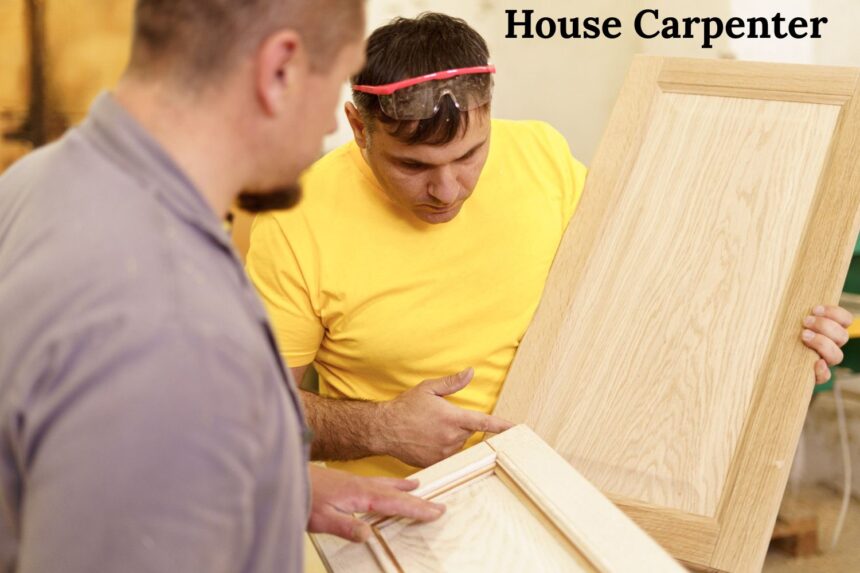
Carpenter houses have a charm that is hard to resist. With their unique designs and handcrafted details, these homes stand out in any neighborhood. They tell stories of tradition, craftsmanship, and sustainability. But building or renovating a carpenter house requires careful planning, especially when it comes to selecting the right materials.
Choosing the appropriate materials can make or break your project. Not only do they affect the aesthetics and durability of your home, but they also play a crucial role in energy efficiency and maintenance costs down the line. Whether you’re aiming for rustic charm or modern elegance, understanding your options is essential.
Join us as we explore how to choose the best materials for your carpenter house!
Importance of Choosing the Right Materials
Selecting the right materials for your carpenter house is crucial. They form the backbone of your home, influencing durability and aesthetics.
Quality materials enhance structural integrity. A well-built home withstands weather changes and wear over time. This means fewer repairs down the line, saving you money.
Moreover, the choice of material affects energy efficiency. For instance, insulated walls can significantly reduce heating and cooling costs.
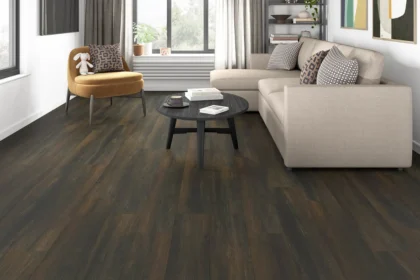
Aesthetics also play a significant role in choosing materials. Different textures and finishes create unique visual appeal that reflects personal style.
Additionally, sustainability matters more than ever today. Eco-friendly options not only benefit the environment but can boost property value as buyers increasingly seek green features.
Careful consideration ensures that your carpenter house meets both practical needs and design aspirations effectively.
Types of Materials Used in Carpenter Houses
Carpenter houses often showcase a variety of materials, each contributing to their unique charm and functionality. Wood is the most traditional choice, offering warmth and aesthetic appeal. Its versatility allows for different finishes and styles.
Another popular option is brick. This material offers durability and excellent insulation properties. Brick homes maintain a classic look while providing resistance against various weather conditions.
Stone adds an element of rustic elegance to carpenter houses. It’s strong, long-lasting, and requires minimal maintenance once installed.
For modern touches, consider metal elements like steel or aluminum. These materials lend a contemporary vibe while ensuring structural integrity.
Glass features prominently in many designs today. Large windows not only enhance natural light but also create seamless indoor-outdoor connections that many homeowners crave. Each material has its own advantages and can dramatically influence the overall aesthetics of your carpenter house.
Pros and Cons of Different Materials
- When selecting materials for a carpenter house, understanding their pros and cons is crucial.
- Wood is the most traditional choice. It offers warmth and charm but can be susceptible to pests and moisture damage. Regular maintenance is essential to prolong its life.
- Brick provides strength and durability. It’s fire-resistant and requires little upkeep. However, it may not offer the same insulation as wood, leading to higher energy costs in some climates.
- Concrete is another sturdy option that withstands harsh weather conditions well. Its versatility allows for various designs. On the flip side, concrete can lack aesthetic appeal without proper finishing touches.
- Metal siding has gained popularity for its modern look and longevity. It’s resistant to rot but might rust if not treated properly, especially in coastal areas.
- Each material brings unique advantages and challenges that should align with your vision for the perfect carpenter house.
Factors to Consider When Choosing Materials
When choosing materials for your carpenter house, several key factors come into play. Start by considering the climate in your area. Different materials perform better under specific weather conditions.
Next, think about sustainability. Eco-friendly options not only benefit the environment but can also enhance your home’s value. Materials like reclaimed wood or bamboo might appeal to those looking for greener choices.
Budget is another critical aspect. Set a clear limit and explore options within that range. Remember, investing in quality can save money on repairs down the line.
Aesthetic preference plays a role as well. Choose materials that align with your vision for style and design.
Consider maintenance requirements related to each material type; some may demand more upkeep than others, impacting long-term satisfaction with your choice.
Tips for Selecting High-Quality Materials
- Selecting high-quality materials for your carpenter house is crucial. Start by researching reputable suppliers known for durability and reliability.
- Don’t hesitate to ask questions about the sourcing of their materials. Transparency is a sign of quality.
- Inspect samples before making any decisions. Touch, feel, and even smell can reveal a lot about what you’re selecting.
- Consider sustainability as well. Eco-friendly options not only benefit the environment but often last longer due to advanced engineering techniques.
- Check reviews and testimonials from previous customers. Real experiences offer insight into how materials perform over time.
- Always prioritize functionality alongside aesthetics. A stunning finish won’t matter if it doesn’t serve its purpose efficiently or withstand wear and tear effectively.
Conclusion
Choosing the right materials for your carpenter house is a pivotal step in ensuring that it stands strong and looks beautiful. The materials you select will significantly impact not only the aesthetic appeal of your home but also its durability, maintenance needs, and energy efficiency.
Take the time to research various options available to you. Consider both traditional wood choices and modern alternatives like engineered wood or composite materials. Each type has its own set of advantages and drawbacks.
As you weigh these factors, keep in mind what works best for your specific location, climate, and personal preferences. Don’t hesitate to consult with professionals who can provide insights tailored to your unique situation.
Selecting high-quality materials may require a little extra effort upfront but pays off in longevity and satisfaction down the line. Prioritize quality over quantity; it’s worth investing in durable components that will withstand wear over time.
Building a carpenter house involves thoughtful planning around material selection. This careful consideration ensures that your home not only meets functional needs but also embodies your vision of comfort and style for years to come.