


Introduction to AI Image & Video Generation: The landscape of content creation is changing rapidly. With the rise of artificial intelligence, we are witnessing a new era where machines can generate images and videos that rival human creativity. This technological leap has opened doors to endless possibilities for creators, marketers, and businesses alike.
Imagine a world where you can produce stunning visuals or captivating video clips with just a few clicks. AI tools are making this dream a reality, streamlining workflows and enhancing creative potential like never before. As we delve deeper into this fascinating intersection of technology and creativity, it’s essential to understand how these advancements will shape the future of content creation. Buckle up as we explore the exciting developments in AI image & video generation!
Advancements in AI Image & Video Generation Technology
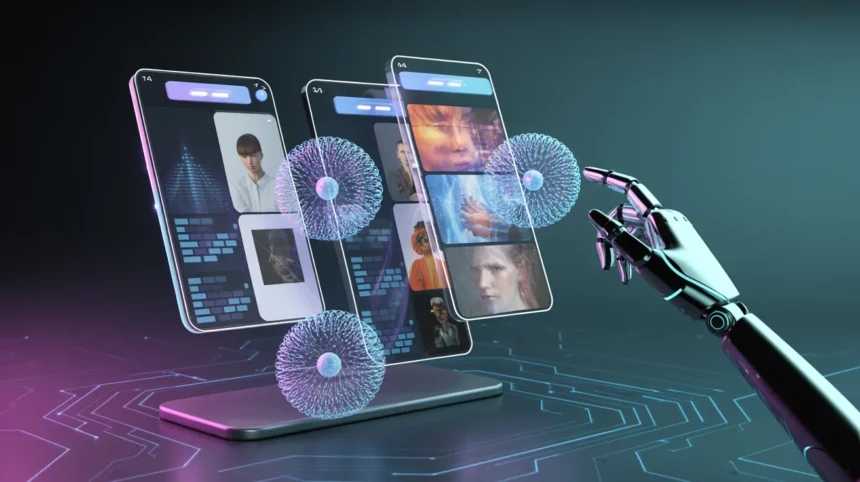
Recent advancements in AI image & video generation have transformed the landscape of content creation. Technologies like GANs (Generative Adversarial Networks) enable machines to create realistic images almost indistinguishable from real photographs.
These tools are not just limited to static visuals; they can now generate dynamic, high-quality videos as well. This capability opens up new avenues for storytelling and marketing.
Another exciting innovation is the ability to manipulate existing media seamlessly. Users can alter aspects of an image or video, changing expressions or backgrounds with impressive accuracy.
Moreover, platforms powered by AI allow creators to produce tailored content rapidly, optimizing for various audiences without compromising quality. These developments pave the way for unique artistic expression while making content more accessible than ever before. The boundaries of creativity are being pushed forward at a remarkable pace, inviting everyone into this evolving digital realm.
How AI is Revolutionizing the Creative Process
AI is reshaping the creative landscape in profound ways. It’s no longer just a tool; it’s becoming a collaborator for artists and creators. With its ability to analyze vast amounts of data, AI can identify trends and generate ideas that might elude human minds.
Imagine an artist working alongside an AI that suggests color palettes based on popular themes or styles. This synergy not only accelerates creativity but also enriches the artistic process.
Writers benefit too. AI can assist in brainstorming sessions, providing prompts that spark inspiration when creativity feels stagnant. Marketers leverage these capabilities to produce engaging visuals and videos tailored for specific audiences.
The integration of AI into creative workflows encourages experimentation without the fear of failure. As creators embrace this technology, they find new avenues to express their visions while maintaining their unique voice amidst endless possibilities.
Impact on Traditional Content Creation Industries
The rise of AI in content creation is shaking up traditional industries. Designers, filmmakers, and artists are feeling the tremors as machines take on tasks once reserved for human creativity.
For graphic design, tools that generate images from prompts allow brands to quickly produce visuals without hiring a full team. This efficiency can lower costs but raises questions about job security.
In filmmaking, AI algorithms can edit footage or even create entire scenes. While this innovation speeds up production times, it challenges the unique vision directors bring to their projects.
Content-heavy fields like journalism are also adapting. Automated tools can churn out articles based on data analysis, leaving writers to focus on in-depth storytelling or investigative pieces.
As these technologies evolve, they redefine roles within creative workspaces and prompt industry leaders to rethink their strategies for collaboration between humans and machines.
Potential Uses for AI-Generated Content
AI-generated content opens new doors across various industries. Marketing teams can create tailored visuals and videos that resonate with specific demographics. This means more effective campaigns at a fraction of the time.
In education, AI tools can produce engaging learning materials, from illustrations to interactive videos. These resources cater to diverse learning styles, making lessons more captivating for students.
The entertainment sector also benefits significantly. Filmmakers are experimenting with AI-driven scripts or storyboards to enhance creativity and streamline production processes. Musicians might even collaborate with AI to generate unique soundscapes.
Additionally, e-commerce platforms can utilize AI-generated images for product listings. This not only saves costs but allows for rapid updates in visual marketing strategies as trends evolve quickly in this digital age.
With such versatility, the potential applications seem nearly limitless as technology continues to advance rapidly.
Ethical Concerns and Criticisms
As AI-generated content becomes more prevalent, ethical concerns are surfacing. One major issue is the potential for deepfake technology to create misleading or harmful representations of individuals. This raises questions about consent and authenticity.
Another concern revolves around copyright infringement. Who owns an image or video created by an algorithm? The lines blur when it comes to crediting human creators versus machines.
Also, there’s a fear that reliance on AI may dilute originality in artistic expressions. With algorithms generating endless variations, what happens to individual style?
Moreover, biases embedded in training data can lead to skewed representations in generated content. If not addressed, this could perpetuate stereotypes and misinformation.
These challenges demand careful consideration as we navigate the rapidly evolving landscape of artificial intelligence in creativity.
The Role of Human Creativity in a World of AI-Generated Content
As AI-generated content becomes more prevalent, the unique spark of human creativity remains irreplaceable. Machines can replicate styles and patterns, but they lack genuine emotion and personal experience.
Human creators infuse their work with stories, feelings, and cultural nuances that resonate deeply with audiences. These elements are challenging for algorithms to capture.
Collaboration between humans and AI may open exciting avenues for innovation. When artists harness technology, they can push boundaries further than ever before.
Creatives will still play a crucial role in guiding how these tools are used. They provide context and intention that machines simply cannot understand on their own.
In this evolving landscape, it’s essential to celebrate the distinct voice of humanity while leveraging technological advancements. The balance between machine efficiency and human touch will define the future of creative endeavors.
Conclusion
The landscape of content creation is shifting dramatically. AI technology is not just a tool anymore; it’s becoming a vital player in shaping how we produce and consume visual and video media. As advancements continue, the lines between human creativity and machine-generated content blur more each day.
While AI opens up exciting possibilities for innovation, it raises important questions about authenticity, ownership, and ethics in creative industries. These concerns cannot be overlooked as we embrace what this new era has to offer.
The future will likely see a hybrid approach where human intuition complements the efficiency of AI tools. Creatives who can adapt to these changes while maintaining their unique voice will find themselves at the forefront of this evolution.
As we move forward, embracing both technology and human artistry may yield the most compelling outcomes in storytelling and visual expression. The journey ahead promises to be fascinating as we explore the true potential of artificial intelligence in shaping our creative futures.