



Chromebooks have gained immense popularity for their simplicity and efficiency. They offer a seamless experience, especially for users who rely heavily on web-based applications. However, after a recent update in 2026, many Chromebook users found themselves facing unexpected issues with their favorite apps. If you’ve been affected by this, you’re not alone. Understanding the reasons behind these glitches can make a world of difference in getting your device back to its optimal performance. Let’s dive into what happened and how you can navigate through these app compatibility woes effectively!
Explanation of the Chromebook update
In early 2026, Google rolled out a significant update for Chromebooks aimed at enhancing performance and security. This update included a range of new features designed to improve user experience and streamline multitasking.
One notable change was the introduction of advanced AI capabilities. These enhancements promised smarter suggestions and better resource management, allowing users to work more efficiently.
Along with feature upgrades, the update also focused on improving system stability. However, these improvements occasionally came at a cost—app compatibility issues began to surface post-update.
Developers had to scramble quickly to ensure that their applications aligned well with the new operating system changes. As a result, many users found themselves facing unexpected glitches or crashes while trying to access their essential tools after the upgrade.
Common issues with app compatibility after updates
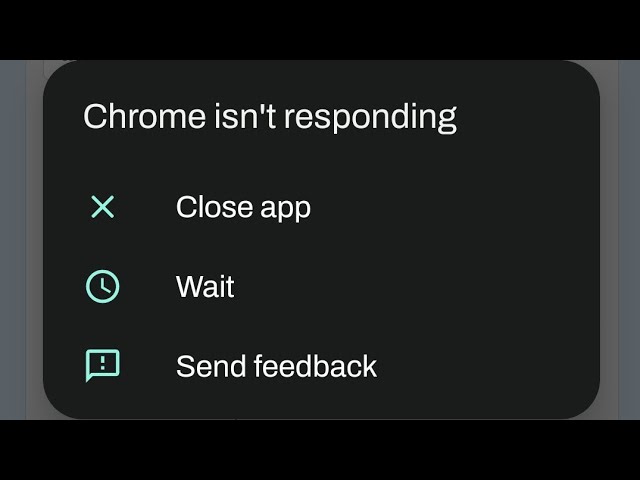
After a Chromebook update, users often encounter frustrating app compatibility issues. This can manifest in various ways, from apps crashing unexpectedly to failure during launch.
Sometimes, specific features within an app may stop working as intended. It’s not uncommon for updates to alter the underlying software environment that apps depend on.
Another frequent problem is the inability of older applications to function correctly after major system changes. Developers might take time to release compatible versions following an update.
Additionally, some extensions or add-ons may also face conflicts with new operating system configurations, causing further disruptions.
These challenges can hinder productivity and disrupt daily tasks for many users who rely heavily on their devices for work or leisure activities.
Check for updates and troubleshoot apps
If your apps aren’t working, the first step is to check for updates. Sometimes, developers roll out patches quickly after a major update. Go to Settings and select “About Chrome OS.” Here, you can see if any new updates are available.
Next, try restarting your Chromebook. A simple reboot can often resolve minor glitches that pop up after an update.
If issues persist, consider resetting the app. Navigate to Settings and find the app in question under “Apps.” Click on it, then choose “Reset.” This action clears data and might restore functionality.
You can also clear the cache of problematic apps from the same menu. Cached files may conflict with recent changes made during system updates.
If nothing seems to work right away, uninstalling and reinstalling the affected applications could be worth a shot. This process ensures you’re starting fresh with all necessary permissions intact.
Alternative solutions if apps still do not work
If your apps remain unresponsive after an update, it’s time to explore alternative solutions. First, consider uninstalling and reinstalling the problematic app. This can refresh its settings and align it better with the latest system version.
Another option is to reset your Chromebook’s settings. Navigate to Settings > Advanced > Reset settings. This action won’t erase personal files but may resolve lingering issues caused by the update.
Additionally, check out web-based alternatives for essential applications. Many popular services offer browser versions that often work seamlessly without needing a specific app.
You might want to try using Android apps if your Chromebook supports them. The Google Play Store has a plethora of options that could serve as effective substitutes until native apps regain functionality or receive their own updates.
Prevention tips for future updates
To minimize issues after future updates, start by backing up your data regularly. Use Google Drive or an external hard drive for important files. This way, even if you encounter problems later, your essential information remains safe.
Next, keep an eye on app reviews and compatibility reports following major updates. Developers often release patches shortly after a new system version is live. Staying informed can help you adjust expectations or find alternatives quickly.
Consider uninstalling less-used apps before updating. If they cause conflicts post-update, it’s easier to reinstall them once everything stabilizes.
Join online forums or communities dedicated to Chromebook users. Engaging with others can provide real-time solutions and tips specific to the latest OS changes. Sharing experiences fosters learning from one another in this fast-evolving tech landscape.
Impact on Chromebook users
The recent Chromebook update has left many users grappling with frustrating app issues. These disruptions affect productivity and can hinder both personal and professional tasks.
For students, this is particularly concerning. A malfunctioning study app or e-learning tool can derail their academic progress. Even simple assignments may become daunting challenges when essential software fails to operate.
Professionals who rely on specific applications for work face similar setbacks. A seamless workflow is crucial in today’s fast-paced environment, and any hiccup can lead to missed deadlines or lost opportunities.
Community forums are buzzing with discussions about these problems. Users share experiences and seek solutions together, creating a network of support amidst the chaos of technical difficulties.
As the dust settles from this latest update, it’s clear that staying informed and connected will be vital for all Chromebook users navigating these changes.
Conclusion
The frequent updates to Chromebooks are designed to enhance user experience and security. However, they can sometimes lead to unexpected issues with app compatibility. For many users, this creates frustration and hinders productivity.
When apps stop functioning after an update, it’s essential first to check for any additional updates or patches that may address the issue. Troubleshooting steps such as clearing app caches or reinstalling problematic applications can often resolve these conflicts.
If the problems persist, there are alternative solutions worth considering. Using web versions of applications or exploring different apps altogether can help maintain your workflow while waiting for a fix from developers.
To minimize future disruptions, regularly checking settings and ensuring that all tools are compatible before initiating updates is wise. Keeping tracks of known issues within forums or communities dedicated to Chromebook users also helps in staying informed.
For many Chromebook owners, navigating through these challenges becomes part of their digital journey. Understanding how to manage these hiccups ensures a smoother overall experience with their devices moving forward.